St Nicholas Orthodox Church Southbridge Massachusetts
Main menu
Meditations
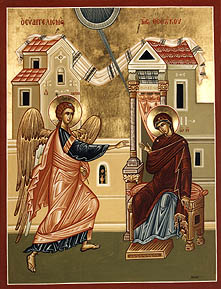
09 28 2025 Sunday Divine Liturgy, St. Nicholas, Southbridge
The sermon title today, “Now Is the Acceptable Time! Now is the Day of Salvation!” is taken from the appointed Epistle reading and the appointed Gospel reading for today.
Jesus calls us to become disciples, and the first commandment to being a disciple is to become a “fisher of men,” meaning to bring others to Christ—starting right here and now.
But first, I have to ask myself about my own faith. Am I really a disciple of Christ? Do I truly believe that Christ dwells in my heart, that I am first and foremost a Christian, and that God comes before all else in my life? This is the definition of a Christian, and it is tough to follow. The good news is that if we give ourselves to Christ, He will supply what is lacking in us.
If we are unsure about our faith, now is the time to make a decision. This is the acceptable hour. This is the day the Lord has made for us to turn to Him, and it is a choice we must make each and every day for the rest of our lives. If we’re afraid of the cost of discipleship, then let’s remind ourselves that everything good we treasure finds its end and fulfillment in Him. And what is not good, is best letting go of, anyway. Let’s start now. There has never been a better time to begin.
LINK TO TODAY’S LITURGY: https://youtu.be/w3EWs2qz5cs
09 21 2025 The Sunday After the Exaltation of the Holy Cross, St. Nicholas, Southbridge
The sermon, “Take Up Your Cross and Follow God’s Foolish Way,” is based on today’s appointed Gospel reading and the epistle from last week (The Feast of the Cross).
To be a Christian is to be a bearer of the Cross. St Paul teaches us that the foolishness of God is wiser than any kind of human wisdom. The unconverted world will see the way of the cross as empty of good philosophy and practical politics—basically a useless waste of time better spent on personal growth and in working towards a better world.
But philosophy has led us to death-
Link to today’s Liturgy: https://youtu.be/758JRg6RNJs
09 14 2025 The Feast of the Exaltation of the Holy Cross, St Nicholas, Southbridge
The sermon today, “Evil Actions Have No Excuses,” looks at the reasons the Temple authorities and the Roman governor gave for killing Jesus and compares them to the excuses made in recent weeks for the murder of innocent people in our own country.
The Sanhedrin knew about Jesus’s miracles—including the raising of a man who had been dead for four days, they did not dispute them. Pilate knew that Jesus was not planning a rebellion against Rome. The Sanhedrin demanded that Jesus die for claiming He was the Son of God, and Pilate passed the sentence of crucifixion because Jesus claimed to be an otherworldly king. They twisted religious and civil law to do outright evil. But evil can never be good. Those who today twist reason and justice to fit evil actions are doing the same. We need to resist this kind of thinking. The victims are never to be blamed for the evil perpetrated against them.
Link to today’s Liturgy: https://youtu.be/Zz8AMyBMdps
09 07 2025 The Sunday Before the Exaltation of the Holy Cross
Today's sermon, "For God So Loved the World," is taken directly from the appointed gospel for the Sunday Before the Exaltation of the Holy Cross. Its theme is the extraordinary, "Wondrous Love" (as an old hymn goes) of God, which is so great that He sent His Only Begotten Son (God from God, Light from Light, True God from True God) into our world to save us, and through us His whole creation. How are we to respond to such an overwhelmingly beautiful gift?
Link to today’s Liturgy:
08 31 2025 Sunday Divine Liturgy, St. Nicholas, Southbridge
Today’s sermon, “‘If you would be perfect,’” is grounded in the appointed gospel for the day. A rich young man has fulfilled the basics of living a righteous life, but he asks what more he can do, and Jesus says, “If you would be perfect, go sell all you have and give to the poor.” It is the one thing the young man cannot bring himself to do. He is trapped by his great wealth and the comfort and status it brings. There is a lesson here: if we press the Lord to tell us what we must do once we’ve done the minimum, He will ask from us the thing we are most attached to.
The way to perfection is hard, plain and simple. And yet, in the end, we will have to give up all our treasures anyway. We can take none of them with us, no matter how precious. Only love is as strong as death, and it is the only currency we can bring into God’s Kingdom. Our first love, therefore, must be God from Whom we will receive back all those lesser loves made perfect.
Link to today’s Liturgy: https://youtu.be/lRa2rT0Sr6E
08 17 2025 Sunday After Dormition St Nicholas Southbridge
Today’s sermon, “The Two Marys,” looks at Mary, the sister of Lazarus, in the gospel appointed for the Feast of the Dormition, and Mary the Theotokos (Birthgiver of God, or Mother of God) who is mentioned multiple times throughout the gospels. Both are praised as women who ‘heard the word of God and kept it.’ They are icons of women who put aside everything to hear and do the word of God.
Do we hear the word of God speaking in our hearts, or are we like the blessed Martha, whose busyness kept her from ‘choosing the good portion ’? Are our everyday concerns more important than discerning our deeper and truer calling? Will we choose the ‘good portion?’ or settle for something less?
Link to Today’s Liturgy: https://youtu.be/FfquiOq5v2E
11 17 2024 19th Sunday Divine Liturgy St Nicholas Southbridge
Today’s sermon, “The Glory of God in the Beauty of His Creation,” is the second in a series of three (November 3, November 17, and November 24) that focuses on giving thanks in all the circumstances of our lives—even the most terrible. Today we look at the astounding beauty of creation as recalled by Fr. Petrov while imprisoned in a Soviet Communist Concentration Camp. From the midst of the ugliness, terror, and death of the camp, he sees the vast beauty of God’s creation and the hope it points toward in the eternal Kingdom of God. What can it teach us?
Link to today’s Liturgy: https://youtu.be/iJeobnEBnEE
The Akathist Hymn, “Glory to God for All Things,” was composed by Priest Gregory Petrov shortly before his death in a Soviet prison camp in 1940. The title is from the words of St. John Chrysostom as he was dying in exile. It is a song of praise from amidst the most terrible sufferings.
Kontakion 3
It is the Holy Spirit who makes us find joy in each flower, the exquisite scent, the delicate color, the beauty of the Most High in the tiniest of things. Glory and honor to the Spirit, the Giver of Life, who covers the fields with their carpet of flowers, crowns the harvest with gold, and gives to us the joy of gazing at it with our eyes. O be joyful and sing to Him:
Alleluia!
Ikos 3
How glorious You are in the springtime, when every creature awakes to new life and joyfully sings Your praises with a thousand tongues. You are the Source of Life, the Destroyer of Death. By the light of the moon, nightingales sing, and the valleys and hills lie like wedding garments, white as snow. All the earth is Your promised bride awaiting her spotless husband. If the grass of the field is like this, how gloriously shall we be transfigured in the Second Coming after the Resurrection! How splendid our bodies, how spotless our souls!
Glory to You, bringing from the depth of the earth an endless variety of colors, tastes and scents.
Glory to You for the warmth and tenderness of the world of nature.
Glory to You for the numberless creatures around us.
Glory to You for the depths of Your wisdom, the whole world a living sign of it.
Glory to You; on my knees, I kiss the traces of Your unseen hand.
Glory to You, enlightening us with the clearness of eternal life.
Glory to You for the hope of the unutterable, imperishable beauty of immortality.
Glory to You, O God, from age to age
ST. PAUL'S LETTER TO THE GALATIANS 2:16-
Brethren, knowing that a man is not justified by works of the law but through faith in Jesus Christ, even we have believed in Christ Jesus, in order to be justified by faith in Christ, and not by works of the law, because by works of the law shall no one be justified. But if, in our endeavor to be justified in Christ, we ourselves were found to be sinners, is Christ then an agent of sin? Certainly not! But if I build up again those things which I tore down, then I prove myself a transgressor. For I through the law died to the law, that I might live to God. I have been crucified with Christ; it is no longer I who live, but Christ who lives in me; and the life I now live in the flesh I live by faith in the Son of God, who loved me and gave himself for me.
LUKE 12:16-
The Lord said this parable: "The land of a rich man brought forth plentifully; and he thought to himself, 'What shall I do, for I have nowhere to store my crops?' And he said, 'I will do this: I will pull down my barns, and build larger ones; and there I will store all my grain and my goods. And I will say to my soul, 'Soul, you have ample goods laid up for many years; take your ease, eat, drink, be merry.' But God said to him, 'Fool! This night your soul is required of you; and the things you have prepared, whose will they be?' So is he who lays up treasure for himself, and is not rich toward God." As he said these things, he cried out: "He who has ears to hear, let him hear.
11 03 2024 19th Sunday Divine Liturgy St Nicholas Southbridge
Today’s sermon, “The Glory of God in the Midst of Suffering,” is the first in a series of three (November 3, November 17, and November 24) that focuses on giving thanks in all the circumstances of our lives—even the most terrible. It was written by a priest in a Soviet concentration camp, one of the ugliest and cruelest images of the world without God that the communists could imagine. It is a hymn to joy and beauty, not in spite of the terror and suffering, but in the very middle of it. It brings heaven into hell and thanksgiving into poverty. What can it teach us?
Link to today’s Liturgy:
The Akathist Hymn, “Glory to God for All Things,” was composed by Priest Gregory Petrov shortly before his death in a Soviet prison camp in 1940. The title is from the words of St. John Chrysostom as he was dying in exile. It is a song of praise from amidst the most terrible sufferings.
Everlasting King, Your will for our salvation is full of power. Your right arm controls the whole course of human life. We give You thanks for all Your mercies, seen and unseen. For eternal life, for the heavenly joys of the Kingdom which is to be. Grant mercy to us who sing Your praise, both now and in the time to come. Glory to You, O God, from age to age.
Ikos 1
I was born a weak, defenseless child, but Your angel spread his wings over my cradle to defend me. From birth until now Your love has illumined my path, and has wondrously guided me towards the light of eternity; from birth until now the generous gifts of Your providence have been marvelously showered upon me. I give You thanks, with all who have come to know You, who call upon Your name.
Glory to You for calling me into being.
Glory to You, showing me the beauty of the universe.
Glory to You, spreading out before me heaven and earth. Like the pages in a book of eternal wisdom.
Glory to You for Your eternity in this fleeting world.
Glory to You for Your mercies, seen and unseen.
Glory to You through every sigh of my sorrow. Glory to You for every step of my life's journey. For every moment of glory.
Glory to You, O God, from age to age.
04 28 2024 Palm Sunday -
The Feast of Palms, which includes both Lazarus Saturday and Palm Sunday, presents us with the raising of a man four days dead and the response of the Temple leadership. Rather than rejoice in such a great miracle, the leaders determine that both Jesus and Lazarus must be destroyed, not because they disbelieved in the miracle but because they feared what might happen as a result. Jesus failed to be the sort of Messiah the religious leaders anticipated, but He certainly fit the Roman definition of a seditious troublemaker. The authorities' fear of Roman power was greater than their fear of God. Fear of what the world can do to us is often greater than eternal concerns. In this, they were very little different from the frightened leaders and confused people of our own times.
Link to today’s Liturgy:
04 21 2024 Fifth Sunday in Lent -
Today's sermon, “St. Mary’s Exodus,” compares the Exodus of Israel out of Egypt when the People of God wandered for forty years in the Wilderness to purge themselves from sin with St. Mary’s exodus (leaving) from Egypt to the Holy Land and then into the Wilderness (Desert) across the Jordan. There, in a wild and dangerous place, Mary lived for 38 years, struggling against her desire to return to Egypt and her old way of being for half that time. St. Mary reminds us that we all must go into the “desert,” whether physically or spiritually, and in the silence there, begin to identify our sins and begin the long struggle against them.
Link to today’s Liturgy: https://youtu.be/FNeKyPTtcOo
04 14 2024 Fourth Sunday in Lent -
Today's sermon, "The Stairway to Heaven," looks at the struggles we face in our climb toward God's Kingdom and the perils that we encounter on our way.
Link to today’s liturgy:
04 07 2024 Third Sunday in Lent -
Today's sermon, “The Cross—the War is Won, but the Battle Continues,” focuses on the paradox of the Lord’s crucifixion and resurrection as the invincible sign of God’s ultimate victory over evil and death while reminding us that the losing side will become more vicious between now and its final surrender on the Last Day.
Link to today’s Liturgy:
03 31 2024 Second Sunday in Lent Divine Liturgy St Nicholas Southbridge
Today's sermon, “Which is Greater? The Power to Forgive Sins or the Power to Make a Paralytic Walk?” is based on the gospel reading. Jesus clearly understands that the power to forgive sins, which is God’s alone, is the greater. Why?
Link to today’s Liturgy: https://youtu.be/EvrFBIxnCto
03 20 2024 Presanctified Liturgy St Nicholas Southbridge
The Presanctified Liturgy is offered on Wednesdays and Fridays during Great Lent. Our custom is to celebrate the service on Wednesday evenings. This year, we are returning to our pre-
Tonight's sermon is based on the Lenten Prayer of St Ephrem:
O Lord and Master of my life, take from me the spirit of sloth, despair, lust of power, and idle talk. But give rather the spirit of chastity, humility, patience, and love to Thy servant. Yea, O Lord and King, grant me to see my own transgressions, and not to judge my brother, for blessed art Thou, unto ages of ages. Amen.
Link to this evening’s Service: https://youtu.be/LXgcttmxOtw
03 17 2024 Forgiveness Sunday Liturgy St Nicholas Southbridge
Today's sermon, “Forgive us as we forgive others”, is based on the gospel reading for the last Sunday before the start of Great Lent. The message is simple, we cannot be forgiven if we don’t learn to forgive. God sets no limits on His forgiveness. In Christ, the Eternal Son of the Father, came into the world for love’s sake. He was willing to endure the greatest humiliation and a terrible death in order to show us the magnitude of God’s love and forgiveness. We are free to accept His offer or to reject it. The measure of our acceptance of God’s forgiveness is measured by how we treat others. Who do you have to forgive today? Who do you need to ask forgiveness from?
Link to today’s Liturgy:
03 10 2024 Sunday of the Last Judgment Liturgy St Nicholas Southbridge
Today's sermon, “Who Gets into Heaven? The Parable of the Sheep and the Goats”, looks at the theme for this Sunday and Jesus’s criteria for entering the Kingdom of God. The Lord tells His followers that the standard is active love for others. The examples He gives are within the reach of every Christian, indeed every human being.
Link to today’s Liturgy: https://youtu.be/oQsSMWVyQu0
03 03 2024 Prodigal Son Sunday Liturgy St Nicholas Southbridge
Today's sermon, "Mercy or Injustice? The Case of the Prodigal Son,” looks at the gospel story from the perspective of the older son. The older son had always obeyed his father, worked hard in the fields, and never complained. He was astonished and insulted to find that his younger brother had returned after years of shameful behavior and ruining the family name, only to be received like a prince. Most of Jesus’s listeners would have been thinking the same thing, and most of us probably do, too. What does this parable have to say to us about God’s love? What does it have to say about His justice?
Link to today’s Liturgy: https://youtu.be/S76Sl_nRlAA
02 25 2024 Pharisee and Publican Sunday St Nicholas Southbridge
The sermon for the Sunday of the Pharisee and the Publican looks at the ease with which any one of us could fall into the role of the Pharisee-
Link to today’s Divine Liturgy:
02 11 2024 Sunday Divine Liturgy St. Nicholas, Southbridge
Today’s sermon, “God demands a profit,” is based on the gospel reading. The gifts and blessings God has given us come with the expectation that we will use them profitably. At the end of our lives, we are going to have to give an accountability report, and it seems that the Boss has high expectations.
Link to today’s liturgy: https://youtu.be/gPyhuHByZR4
02 04 2024 Presentation of the Lord (Sunday After) St Nicholas Southbridge
Dear Parish Family,
We celebrated the end of the Christmas season in our commemoration of the Lord's Presentation in the Temple today (transferred from February 2).
Today’s sermon focuses on the words that Saint Symeon says to the Holy Mother of God, “a sword will pierce through your own soul also.” Mary was the first Christian. When Jesus was conceived in her virgin womb, Mary accepted the annunciation by the Angel Gabriel with the words, “Be it done to me according to your word.” A mere forty days after the baby Lord Jesus is born, Mary hears the terrible words of warning that she will suffer terrible grief.
The Christian life requires us to share her grief over how the Lord would suffer for our sake. But, unlike Mary, who remained pure and free of sin throughout her life, we have the additional burden of contributing to Jesus’s suffering. How? Because our hearts are often filled with the things He came to free us from—greed, hatred, lust, judging others, and hardness of heart, to name only a few.
Link to today’s Liturgy: https://youtu.be/yV90r4qkoHQ
01 21 2024 Sanctity of Life Sunday, St Nicholas, Southbridge MA+Announcements
The sermon today, “Where are we now and where do we go from here?” is a reflection on the Sanctity of Life realities in America in 2024. We are a very different country from the one we were in 1973 when Roe v Wade was decided by the Supreme Court. We live in a very different world. The overturning of Roe has not brought about an upwelling of pro-
Link to today’s liturgy:
01 14 2024 Sunday Divine Liturgy + Great Blessing of Water St Nicholas Southbridge
Today’s sermon, “The Baptism of the Universe: How the Great Blessing of Water Reveals the New Creation,” focuses on how the Baptism of the Lord in the Jordan and the sacrament of the Great Blessing of Water reveals the ultimate destiny of the whole creation. God in Christ Jesus has shown us the way out of darkness, despair, and the fear of death and back onto the road to the Paradise we were deprived of in the Fall. The whole creation is waiting with eager longing, as St Paul says, for humankind to return to its original calling.
Link to Today’s Liturgy: https://youtu.be/lDGZgQf9Tl8
12 31 2023 Sunday After Christmas Divine Liturgy, St. Nicholas Southbridge, MA
Today’s sermon, “The Hardness of This World Meets the Hope of Eternity in Christ,” is centered on the gospel account of the Massacre of the Holy Innocents by King Herod. We, as believers, have to face the hard realities of a world where death is the solution to the problems of life—whether it is a king trying to ensure his power by killing innocent children or the death of a child in the womb so that others may be freed of a “burden,” or the hastened deaths of the old whose lives are determined by others to no longer have meaning or utility. As believers, we have to accept life’s difficulties with the hope that they have a meaning that will only be fully manifested in the Kingdom of God.
Link to today’s Liturgy: https://youtu.be/7isxy6MGe0o
12 24 2023 Sunday Divine Liturgy Christmas Eve, St. Nicholas Southbridge, MA
Today’s sermon, “Their Eyes Were Open to See,” focuses on the gospel's Nativity stories. Why was it that shepherds and Magi—simple people and foreigners-
We are called to see the mystery of God’s love shining out of the most unlikely place. The Love of God incarnate was born in a hard and unforgiving world so that in our still hard and unforgiving world, we might learn to proclaim the paradox of Light in the darkness, Love amidst hate, and Mercy as the antidote to crippled justice.
Link to today’s Liturgy:
12 17 2023 Sunday Divine Liturgy, St. Nicholas Southbridge, MA
Today’s sermon, “The Blossom of Forgiveness”, is based on the Ikos on the Kontakion Hymn of Christmas where are told of the mystery of the restoration of Paradise through forgiveness. We are asked to meditate on God’s gift of forgiveness in the Birth of Jesus as the model for our own acts of forgiveness and being forgiven. Forgiveness is grounded in Love and Love is the way back home to Paradise.
Link to today’s Liturgy: https://youtu.be/2HRzhNHvw5k
12 10 2023 Visit of Bishop Nikodhim Sunday Divine Liturgy St Nicholas Southbridge + Announcements
Today, our new hierarch, His Grace, Bishop Nikodhim, made his first visit to our parish. It was a day of joyous celebration for us all. His Grace preached on the gospel appointed for today, the healing of the ten lepers. Bishop Nikodhim focused on the theme that true Christian gratitude is not so much a feeling as an act of faith and worship. The one leper who made the journey back to thank Jesus for healing him did so to worship him. We are called to do likewise and return thanks and worship to the Lord for his goodness towards us regardless of how we “feel.” Gratitude is an action, not an emotion. We show it through faith and action.
Link to today’s Liturgy: https://youtu.be/NtiAp5bXbvM
12 03 2023 Sunday Divine Liturgy St Nicholas Southbridge
Today’s sermon, “Fasting and Confession,” is focused on true fasting and the rite of Holy Confession. As we move deeper into the Christmas Fast, it is good to contemplate what it means to fast and, more importantly, why we fast. St. Paul teaches us that eating or not eating certain types of food is not what true fasting is all about. A true fast is to leave behind the behaviors that separate us from God and each other. Restricting our intake and forgoing certain foods may help us become mindful of how much our lives are focused on feeding our desires. On the other hand, fasting carries with it the danger of pridefulness and judgementalism if we concentrate solely on food and forget the spiritual meaning of the fast.
Holy Confession allows us to keep ourselves honest by admitting our sins to another person (in our Orthodox tradition, to a priest who bears witness before God of what we confess). A good and true confession is humbling, showing us how weak we really are, fasting or not.
As we approach the Nativity our Lord, let’s think about these things and fast from evil thoughts and passing judgment on others and let’s bring our sins into the open through holy confession.
Link to today’s Liturgy: https://youtu.be/EdT8hrv88eg
11 26 2023 Sunday Divine Liturgy, St. Nicholas Southbridge, MA
Today’s sermon, “To hear the Word of God and keep it,” is based on the gospel for the Feast of Presentation of the Theotokos (Birthgiver of God) in the Temple.
What does it mean to hear God’s Word? How do we keep it? These are simple questions for something that is often not easy to do.
Link to today’s Liturgy: https://youtu.be/iH_rYNwWY3w
11 19 2023 Sunday Divine Liturgy, St Nicholas, Southbridge, MA
The sermon today, "God Will Provide" is based on the story of Abraham's (near) sacrifice of his son, Isaac (Genesis 22:1-
This is the sixth and final sermon in a series on the first book of the Holy Scriptures.
Link to today’s Liturgy:
11 05 2023 Sunday Divine Liturgy, St. Nicholas, Southbridge, MA
(Because of a technical glitch, today’s liturgy starts at the beginning of the sermon and continues on from there as usual.)
Today's sermon, “The Destruction of Sodom,” is the fifth in a series on Genesis.
The extended readings from Genesis chapters 18 and 19 are about the famous story about the end of the cities of Sodom and Gomorrah because of their violence and depravity. In spite of the Lord’s willingness to spare the cities if just ten righteous people could be found in them, not a single one could be found. Only the foreigners, Lot and his family, could pass the test and they were led out of Sodom before it was destroyed.
The story of Sodom is often trivialized into an account of forbidden sex when in reality it was about violence and malevolence. The men of Sodom were intent on raping Lot’s guests, not for mere pleasure, but out of a desire to humiliate, torture, and kill the angels disguised as men who came to the city to determine its fate. In doing so, they passed judgment on themselves. This particular form of torture is common even today in totalitarian states, often at the hands of the secret police and for the very same purposes that the citizens of Sodom intended to use it.
In the end, the story asks the question of what constitutes a society so warped and evil that nothing in it can be saved. Thanks be to God that in virtually every culture and civilization on earth, there are righteous people to be found to outweigh the wickedness of the unrighteous. But Sodom stands as a warning, a dark icon, of what a world deprived of goodness would become.
Link to today’s Liturgy: https://youtu.be/7gmOxLH2VOs
10 29 2023 Sunday Divine Liturgy, St. Nicholas, Southbridge, MA
Today's sermon, “Storming Heaven,” is the fourth in a series on Genesis.
Today, we look at the story of the Tower of Babel (Genesis 11), in which human pride and vanity sought to build a tower to the heavens and challenge God with human might. Once again Satan seeks to tempt us with the idea that, not only are we equal to God, we are gods and need no other. Scientific knowledge can be a great gift from God, or it can be turned into a perverse kind of idolatry centered on our own intellectual and philosophical brilliance. Science can lead us either toward or away from our true Source and our ultimate destiny. In our times, the universal human language is being expressed over the internet and, increasingly, through artificial intelligence (AI). We stand at the crossroads of history. Will we escape the idolatries of our past and build up only to fall, or will we build to the glory of God?
Link to today’s Liturgy: https://youtu.be/3fgB-
10 22 2023 Sunday Divine Liturgy, St. Nicholas, Southbridge, MA
Today's sermon, “The Great Cleansing,” is the third in a series on Genesis.
Today we look at the story of Noah and the Flood from the perspective of the Church Fathers as a symbol of Baptism. Through the waters of baptism, we die to sin and rise to new life in Christ.
Through the waters of the Flood, the world was cleansed and regenerated. Noah prefigures Moses, who led the people of Israel out of slavery in Egypt through the waters of the Red Sea, and Jesus, whose baptism in the w
aters of the Jordan leads us out of bondage to sin and despair.
We also have to look at the Flood as an image of the paradox of God’s just wrath towards the deforming power of sin, a wrath which, on the deepest level, is a sign of His compassionate healing and forgiveness.
Link to today’s Liturgy: https://youtu.be/ONItHa9-
10 15 2023 Sunday Divine Liturgy, St Nicholas, Southbridge,MA
Today’s sermon, “The voice of your brother’s blood cries out to Me,” is based on the story of Cain and Abel in Genesis, chapter 4. It is the second sermon in a series on the book of Genesis, answering the questions, Who are we, and how did we get this way? Today, we focus on how jealousy and anger lead to murder, both spiritually and physically. It also asks, “Am I my brother’s keeper?” In the context of the world we live in, those questions are as significant today as they were ten thousand years ago. They will remain so until the Lord returns for the final judgment.
Link to today’s Liturgy: https://youtu.be/6JpB8LwDMHw
10 08 2023 Sunday Divine Liturgy, St. Nicholas, Southbridge
Today's sermon, “The Soft Sweet Voice of the Father of Lies,” is based on the story of the Fall of Humankind in Genesis, chapter 3. It focuses on how the Enemy used reason and insinuations to convert Eve and Adam to its evil purposes and away from God's goodness. We look at how this is still the case in both personal and communal life. We are not misled by loud, angry voices but by the soft whispers of the Evil One telling us that our broken and fallen desires are good and the demands of God’s love are evil. This is the first in a series of sermons based on Genesis that will run until the start of Advent.
Link to today’s Liturgy: https://youtu.be/vRuE9lov838
09 24 2023 Sunday Divine Liturgy at St Nicholas, Southbridge
Today’s sermon, “The Parable of the Talents,” is based on the gospel reading. The Lord expects us to use the talents he has given us to produce interest on them and multiply their “value” in the world around us. Every “talent” must increase knowledge of God’s Truth, Beauty, and Goodness and be deeply grounded in Faith, Hope, and Love. In other words, though our talents may vary, they must always point to the same end: Faith in the One True God revealed in Jesus Christ, our Savior, Hope in and for the Beauty of His everlasting Kingdom, and the Love of everything that shows His Goodness in this world and in the world to come. These talents must be acted out in our own lives in thought, word, and deed so that others may be drawn to the good news of salvation. That’s what the Lord meant by putting them into the bank so that they might bear interest.
Link to today’s Liturgy: https://youtu.be/Bqnkagyn9yA
09 17 2023 Sunday After the Cross St Nicholas Southbridge
Today's sermon, "Take up your cross," is based on the gospel reading for the Sunday after the Exaltation of the Holy Cross and asks the question, what does it mean to be a follower of Jesus in an unbelieving age. How do we speak of Christ as THE WAY, THE TRUTH, and THE LIGHT when people have been taught to believe that there is no such thing as ultimate truth and that salvation is a matter of personal opinion?
Link to today’s Liturgy: https://youtu.be/VVegSluOMmg
Here are some links to pictures of the Consecration of, our new prelate, Bishop Nikodhim, Bishop of Boston, and the Albanian Orthodox Archdiocese of the Orthodox Church in America.
Taken by Stephen Pye: https://photos.app.goo.gl/DF7SjSKnZsctVYxB8
09 10 2023 Feast of the Holy Cross St Nicholas Southbridge
We celebrated the Feast of the Holy Cross today in anticipation of the actual feast day (September 14). The sermon, "Foolish Wisdom and Crucified Love," focuses on the profound paradox of the cross as the sign of joy and hope in a dying world.
Link to today’s Liturgy: https://youtu.be/j4nHcQSWVfQ
08 20 2023 Sunday After Dormition, St Nicholas, Southbridge
Today’s sermon, “From the Heart,” looks at the place of the “heart” versus the “head” in Orthodoxy. The gospel appointed for today tells us that we must forgive others “from the heart.” The prayer before the gospel reading asks God to “illumine our hearts.” Mary pondered the mysteries of her son “in her heart.” The heart plays a huge role in our lives (“broken-
Link to today’s Liturgy:
Our Previous two weeks of services can be found at: https://www.facebook.com/groups/StNicholasSouthbridge
07 30 2023 Sunday Divine Liturgy St Nicholas Southbridge
Today's sermon, "The Bread that Makes Us Whole," focuses on the spiritual dimension of the gospel account of the Feeding of the Five Thousand. As great a miracle as the providing of bread for a crowd of thousands was, the even greater miracle is the gift of the Word of God in the gospel teachings of Jesus and the Divine presence of the Body and Blood of the Lord in Holy Communion.
Link to today’s Liturgy: https://youtu.be/KU1qZwt2OU4
07 09 2023 Sunday Divine Liturgy St Nicholas Southbridge
The sermon, “Demons!” is from the Gospel reading appointed for today and asks the question just who or what these beings actually are. Since they are mentioned numerous times in the four gospels, we need to examine the subject seriously. Nineteenth and twentieth-
Link to today’s Liturgy:
07 02 2023 Sunday Divine Liturgy St Nicholas Southbridge
Today's sermon, "One Nation Under God," explores the way in which we can let our Orthodox faith guide us in understanding what it means to be a citizen of a republic that openly states that the highest authority is not human will but Divine. What does this mean in our day and age, where so many openly reject God? Is it even realistic to take things like "In God We Trust" and "One Nation under God seriously anymore?
Link to today’s Liturgy: https://youtu.be/mCioaYPel_k
06 25 2023 Sunday Divine Liturgy St Nicholas Southbridge
The sermon today, “What do you see?” is taken from today’s gospel, where the Lord speaks about the eye being the “lamp of the body”; if our vision is good we are filled with light, but if it is bad we will be filled with darkness. Jesus speaks to us spiritually here and reminds us that we cannot serve two masters; we cannot choose the light and the darkness. Ultimately, we will serve one or the other.
Link to today’s Liturgy: https://youtu.be/7vofVphkuXQ
06 18 2023 All Saints of North America St Nicholas Southbridge
"The Salt of the Earth: Our Mission to North America." Today's sermon looks at what it means to preach the gospel in a difficult time for the Church and in a culture that has forgotten or confused the message of Jesus. What shall we do to bring the hurt, the lost, and the brokenhearted the good news of salvation and healing?
Link to today’s Liturgy: https://youtu.be/eI9BgBsTDUE
06 11 2023, All Saints Sunday, St Nicholas, Southbridge
The Lord’s commandment that we are to love Him more than father, mother, spouse, or children is one of the hardest of his sayings because if we fail, He says we are not worthy of Him. It is natural for us to feel a more profound connection to the beloved people in our lives—our family in particular—because we see them and they reside in our hearts. How can we love anyone—even Jesus—more than them?
Yet on reflection, the reason why we must love God first and foremost is that all those others exist because of Him and our hopes for them are also grounded in Him, Jesus—the only one who can give us eternal life with them. We can only properly love those whom He’s put into our lives by first loving Him for such a great gift and especially for the gift He alone can give us—eternal life in the “land of the living.” Once that knowledge sinks in our love for Christ surpasses all others—not because we love our family any less but because they will be ours forever in Him, the one who made them in the first place.
Link to today’s Gospel: https://youtu.be/XRBRlTdUM2Q
05 21 2023 Sunday of the Man Born Blind 6 Pascha St Nicholas Southbridge
The topic for today’s sermon, “I was blind, but now I see,” is grounded in the reading from the Gospel of St. John about the healing of the Man Born Blind. In it, we focus on the necessity of believing in Jesus, who will open the spiritual eyes of anyone who turns to Him, believes in Him, and desires to truly “see.” The process will most often be far slower than the instantaneous enlightenment that the Blind Man experienced, but once we open our hearts (our spiritual eyes), there will be no going back, no matter how many obstacles we encounter on our way.
Link to today’s Liturgy: https://youtu.be/7grE0mNs5I0
05 14 2023 5 Sunday after Pascha Samaritan Woman St Nicholas Southbridge + Announcements.
Today’s sermon, “Come see the man who told me everything about myself,” focuses on how God chooses the most unexpected people to bring others to Christ. The Samaritan Woman had five husbands and was living with another man to whom she was not married. She was not a person who would have been held in high esteem by her neighbors. Yet, her encounter with Jesus brought the rest of the townspeople out to find out more about Him. Was He the Messiah they, like the Jewish people, had been waiting for? In the end, the people of Sychar chose to believe in Jesus because they were convinced He was the Savior. The woman was the first non-
Link to today’s Liturgy:
05 07 2023 Third Sunday after Pascha (Raising of the Paralytic) St Nicholas Southbridge +Announcement
In the gospel today, Jesus asks a man who had been paralyzed for thirty-
Link to today’s Liturgy:
04 23 2023 St Thomas Sunday, St Nicholas Parish, Southbridge
Today’s sermon, “Believing is Seeing,” focuses on Jesus's words to “Doubting Thomas” in today’s gospel. After he touches the wounds of Jesus, Thomas declares, “My Lord and my God!” But Jesus replies, “Thomas, because you have seen Me, you have believed. Blessed are those who have not seen and yet have believed.” (John 20: 29).
Through faith, through believing, we can “see” the evidence of God’s presence in and around us. We can know Jesus directly through our participation in the sacrament of His body and blood, where He unites Himself to us in an even more profound way than He did when Thomas put his hand into the wounds of the risen Lord. But “seeing” this, knowing this, requires that we first believe.
I’d like to thank Fr Samuel Smith of All Saints Church in Worcester for the title of this sermon and for some of the seminal ideas in it.
Link to today’s Liturgy: https://youtu.be/K5JqJcIS5IQ
04 15 2023 PASCHA Resurrection Liturgy St Nicholas Southbridge
NOTE: THE FIRST 11:08 MINUTES OF THIS LITURGY ARE SUNG IN DARKNESS UNTIL THE LIGHT OF THE RESURRECTION IS BROUGHT OUT.
The Paschal Liturgy marks the beginning of the New Age, the eruption into the world of the Kingdom of God. It anticipates the world to come when the full power of the Lord’s resurrection is fully manifested, and the darkness of death, sin, sickness, and sorrow are completely swept away. We refer to that day as the “day without evening.” The Paschal Homily of St John Chrysostom, given at the end of the Matins part of the service, tells us that everyone who has put even the least effort into the struggles of living their life in and for Christ will be welcomed in. Our entry into His Kingdom is a gift of mercy, freely bestowed on all who love Him, whether they have worked from the first hour or arrived only at the eleventh. It is the intent, worked out as well as we are able (God and we alone can know how pure our intention is) that opens the gates of the Kingdom. May we all enter into it with joy!
Christ is Risen! Truly He is Risen! Krishti U’ngjall! Vertet U’ngjall!
Link to the Paschal Liturgy: https://youtu.be/TyGAn9VI4LM
04 14 2023 Lamentations Service St Nicholas Southbridge
The Lamentations Liturgy is the burial service for the crucified Lord. The hymns from the Nocturne canon are sung to a military type of melody and contain the triumphant message that, though buried in the tomb, Jesus cannot be held there. In fact, the harrowing of hell begins with His apparent defeat by death and Satan. The hymns of lamentation continue this theme of the paradox of the Lord of Life being placed in a tomb. We sing, "O Life, how can you die?" while at the same time proclaiming,
“O the joy, the gladness,
O the boundless delight,
with which, Jesus, you filled those who lay bound in Hell,
when you made light blaze throughout its murky depths.”
The death and burial of the King of Creation lead to the death of death itself. The funeral of Christ is the seed of His Resurrection and the overthrow of the “ruler of this world.”
The reading from the prophet Ezekiel tells the hair-
Link to the Lamentations Liturgy:
04 13 2023 Twelve Passion Gospels, St Nicholas, Southbridge, MA
The twelve readings from the Passion narratives in the gospels of St John, St Matthew, St Luke, and St Mark form the core of this long and moving service for Holy Thursday evening. Along with the gospel readings are a series of hymns describing the cosmic dimension of the Lord’s saving passion and death on the cross. The treachery and malice of human politics are exposed in their fullest in the story of the conspiracy of the Jewish Council and Pontius Pilate to destroy Jesus. The “ruler of this world,” working through its human puppets, seeks to kill the Lord of Life and King of the Ages. And it seems that they are successful. Jesus is killed on the cross after suffering scorn and violence at the hands of the world’s powers. At the end of the service, we are left like his disciples, defeated and heartbroken by the apparent victory of Satan and his human viceroys. Of course, as believers, we know that the true end of the story is completely different. We know that the Enemy will be crushed, and death will be swallowed up by Life. But we are also taught that the price of getting to that end is brutally painful. This serves as a reminder to us all that the cost of being a Christian, the price of being a follower of Christ, is often very high indeed.
Link to the Passion Service: https://youtu.be/WZ5BfEm8mlw
04 12 2023 Unction Service St Nicholas Southbridge
The Service of Holy Unction focuses on both healing and forgiveness. The Orthodox understanding of sin goes beyond doing wrong and failing to act rightly. Sin is the fundamental breakdown of communion with God, a disease that the whole universe has been subject to since the Fall of Lucifer by the rebellious spiritual powers and by the Fall of rebellious humankind from Paradise. Jesus spoke of the "Ruler of this World," which He has overcome. That ruler is sin, death, and the Devil. Christ has overcome that "ruler" through His saving death, and resurrection. He will finally overthrow and destroy the power of sin and death on the great day of His second coming. In the meantime, He leaves us with the sacraments of forgiveness and healing in the rites of Holy Unction and Confession. We are promised that if our hearts are repentant and our minds directed toward Him, our sins will be forgiven, and even our bodies might be healed from affliction. Like all the sacraments, this one points us toward the Kingdom of God-
Link to Holy Unction Service:
04 05 2023 Presanctified Liturgy, St. Nicholas, Southbridge
Link to last night’s Presanctified Liturgy: https://youtu.be/zFZy-
The Week of Palms precedes the feasts of the Raising of Lazarus on the Saturday before Palm Sunday and the Entry into Jerusalem. Three of the hymns sung during tonight’s liturgy refer to the Lord’s raising of Lazarus because that event marked the beginning of the last chapter of His earthly ministry. It was the point of no return since the news of the miracle of raising a man who had been dead for four days caused thousands of others to believe that Jesus was the Messiah. They hoped and believed that he would bring about the restoration of the Kingdom of David and the expulsion of the hated Roman occupiers.
The Jewish leaders were terrified that the huge crowds in Jerusalem for the Passover would hail Jesus as their king and that the Romans would react with violent suppression. Their fears were justified when Jesus triumphantly entered Jerusalem in the manner of King David. The crowds proclaimed, “Blessed is he who comes in the name of the Lord, the King of Israel!” (John 12:13). Caiaphas, the High Priest, had said that it would be better for one man to die than that the whole nation should perish. The Council decided that Lazarus, too, should die because his resurrection was causing others to believe in the Lord.
The result of all this was the coming together of two groups that hated one another, the Roman governor and the Jewish authorities, to plot the death of Jesus. They were helped by the same crowds that welcomed Jesus as king but who had quickly turned against him when he did not fulfill their expectations.
The days ahead of us are the holiest of the Christian year. They remind us of how fickle our human nature is, that we can one day praise and the next day condemn the Lord of life and light because he fails to give us what we think we need. We should be able to identify with people who loved Jesus and yet abandoned him in his hour of need. We should see in ourselves the same willingness to go from praise to contempt, from adoration to mockery. The old hymn asks, “Were you there when they crucified my Lord?” Yes, we were there, and we are still there today. The good news is that despite it all, we are forgiven by the One who endured so much for us.
04 02 2023, 5 Lent, St Mary of Egypt, St Nicholas Parish, Southbridge, MA + Announcements
Today's sermon focuses on the extraordinary character of St Mary of Egypt, who went across the Jordan river into the wilds of the Judean desert to leave behind a life of degradation and sin. She struggled against her passions to return to her old way of life for seventeen years in the wilderness and then was given peace. She remained in the desert for another thirty years without seeing another human being or even an animal, living off herbs and what little water she could find. Finally, after forty-
Why do we celebrate St Mary on this fifth Sunday in Lent? She did no great miracles to impress the masses. She didn’t heal the sick or raise the dead. She simply told an extraordinary story of struggle against sin and corruption. Her desire for the Kingdom of God was stronger than all her other passions, and she becomes a model for us in our own struggles. She teaches us not to despair and never give up. By following her model, each of us can enter the desert of our own hearts and souls and eventually find the peace that passes all understanding, the peace that Jesus promises everyone who resolutely turns to him.
Link to today’s Liturgy:
03 26 2023 4 Lent Annunciation St Nicholas Southbridge MA
Today we celebrate the mystery of the Incarnation: God the Almighty Son takes on our human nature from the ever-
Link to today’s Liturgy:
03 19 2023 Sunday of the Cross/ Lent 3 St Nicholas Southbridge
On the Sunday of the Cross, which falls in the middle of Great Lent, we are called to medi
tate on the cross of Jesus as the only way to salvation. Does this mean that those who do not know the Lord are excluded? No. The Lord carried the cross for everyone and for all time (John 3:16). His followers are called to take up their own crosses, whatever they may be, and follow the Master on the path of humiliation, sorrow, and death, which paradoxically leads to life and joy. (We sing, “through the cross, joy comes into all the world.”)
The paradox of the cross is both a stumbling block and foolishness to a world that does not know its true meaning. The world seeks to flee from its burden and pretend that all will be well. But, whether we accept it or reject it, the cross is always in front of us—reminding us of our mortality, our limitations, our sorrows, and our humiliations. Only through Jesus can we bear to carry our cross—because He carries it with us—and more than that, He carries everyone’s cross, everyone’s sin, everyone’s sorrow and hurt. To what end? To life, to joy, to resurrection, and to a kingdom that has no end where there is no more sickness, sorrow, or suffering. Getting to that end will be difficult, but once we are there, life and joy abound.
Link to today’s Liturgy: https://youtu.be/BpY_oK7rOhM
03 12 2023 Second Sunday in Lent St Nicholas Southbridge
Today’s sermon is based on the readings appointed for today (Hebrews 1:10-
Link to today’s Liturgy:
03 08 2023 Presanctified Liturgy St Nicholas Southbridge
This is the first of two Presanctified Liturgies in our parish this Lent. Since the Divine Liturgy is not done on weekdays during the Lenten season, the Church offers her people the opportunity to receive the Body and Blood of our Lord Jesus Christ on Wednesdays and Fridays through a portion of the Communion set aside from the previous Sunday. This uniquely Orthodox service is celebrated slowly, quietly, and deliberately, befitting the theme of Great Lent as a time of prayer, fasting, and reflection. The sermon (offered at the end of the Liturgy) focuses on the message of the Prayer of St Ephrem of Syria, which calls us to put aside sloth, despair, the lust for power, and idle talk and take on the virtues of chastity, humility, patience, and, love. I we do this rightly, then we'll find that the spirit of Great Lent is a gift that we will want to keep every day of our lives.
Link to Presanctified Liturgy: https://youtu.be/mAzl7Wj-
03 05 2023 First Sunday in Lent/Sunday of Orthodoxy, St Nicholas, Southbridge
On this first Sunday in Lent, we celebrate the Triumph of Orthodoxy over the iconoclasts (literally the icon or image smashers) in the 8th century Eastern Roman Empire. A series of Emperors proclaimed that icons of Jesus and His saints were idols and ordered them all destroyed. The Church responded that since God became Man in Jesus, these images could be made and must be made to proclaim the reality of His incarnation. Likewise, the images of the saints who taught this truth and often suffered for it ought also to be portrayed as reminders of their faithfulness to that Truth. Today’s sermon focuses on this fact and what it means regarding the Church’s message of love, compassion, and humility to the world. The “triumph” of the truth of Christ is not one of lording it over others or showing contempt for their beliefs. Instead, as the gospel today shows us, it is a proclamation that invites everyone to “come and see”—in images and words, and especially in acts of love and mercy—the truth that God so loves His world that he became one of us.
Link to today’s liturgy: https://youtu.be/Rq_cPB275Vc
02 26 2023 Forgiveness Sunday/Expulsion from Paradise, St Nicholas Southbridge
The double theme of this final Sunday before the start of Lent is the need to forgive and to be forgiven and the tragedy of humankind's expulsion from Paradise through the disobedience of God's commandments. The sermon focuses on both themes. The disobedience of the Divine commandment not to eat from the tree of the knowledge of good and evil is tragic because Adam and Eve did not accept responsibility for their decision and never sought forgiveness. They gave reasons and made excuses. True forgiveness requires something to forgive or be forgiven.
Link to today’s Liturgy: https://youtu.be/zGr56opsFWA
02 19 2023 Sunday of the Last Judgment, St Nicholas, Southbridge, MA + Lenten Schedule (attached)
Today’s sermon is based on the gospel reading from St Matthew chapter 25. Jesus teaches us that the Last Judgment will involve the separation of the righteous from the unrighteous and that the sole criterion for the verdict will be how we treat one another. Did we see the face of Christ in every person—especially the poor, the downtrodden, the sick, the hungry (physically, spiritually, and emotionally), and the imprisoned (physically, mentally, spiritually, and emotionally)? How did we act—or not? Our salvation depends on what we did or did not do. Notice that the Lord says nothing about how much we prayed or how correctly we believed. Those things count, of course, but they evaporate in the scorching gaze of the One who demands to know how well we have loved one another. As the Lord says elsewhere, “there are many who would be first, who shall be last, and the last first”. What does this mean? Again, Jesus illustrates this throughout the gospel, the repentant prostitute who “loved much” will enter his kingdom before the righteous keeper of the rules whose heart was filled with judgment.
Link to today’s Liturgy: https://youtu.be/hQjtNwhsOUA
02 12 2023 Sunday of the Prodigal Son, St Nicholas, Southbridge
On the Sunday of the Prodigal Son, we are called to remember that every one of us has, at one time or another, turned our back on the Lord and gone in a direction that would lead to destruction. Our heavenly Father is quick to forgive and welcome us back into His household, the Church. Likewise, we are called to be like Him and to welcome home those who have offended and embarrassed us. We need to pray for our own continuing conversion and to pray for the conversion and return home of those who hate us and have turned away from Jesus's redeeming love. If we want justice, then let's first learn mercy for ourselves and, most especially, for our enemies. Mercy and forgiveness triumph in today's gospel story even as true justice is upheld.
Link to today’s Liturgy: https://youtu.be/Si3fSzkk6AQ
02 05 2023 Presentation of the Lord in the Temple & Sunday of the Publican and Pharisee St Nicholas Southbridge
We celebrated the end of the Christmas season in our commemoration of the Lord's Presentation in the Temple today (transferred from February 2) along with the start of the Lenten Triodion (Publican and Pharisee). Both events are located in the Temple, and each recalls the theme of rising and falling based on humility vs. arrogance. The sermon focuses on the theme of the humble being raised up and the arrogant being cast down-
Link to today’s Liturgy:
01 22 2023 Sanctity of Life Sunday St Nicholas Southbridge
The sermon for the New Martyrs of Russia (and, by extension, the Orthodox martyrs in Albania and other Eastern European countries during the Communist period) is the basis for today’s sermon on the Sanctity of Life in the face of increasingly hostile governments. We are called to recognize that being faithful to the Orthodox Church’s teaching comes with a price. But if we are silent in the face of evil, what good is our faith?
Link to today’s Liturgy: https://youtu.be/jXIrSpqnJ70
01 15 2023 Sunday Divine Liturgy St Nicholas Orthodox Church Southbridge, MA
The sermon today, “What is impossible for us is possible for God: The call to surrender everything we love”, is based on the Gospel reading for today. The rich young man was willing to do everything except give up his wealth. Jesus requires us to give up everything and everyone to become his followers. It seems to be an impossible demand until we remember that everything and everyone we have is given to us by him in the first place. At some point, we will lose all anyhow through death. The good news is that, in Christ Jesus, we receive all back and more in the glory of the Resurrection.
Link to today’s liturgy: https://youtu.be/dN4ggXTjDdY
01 01 2023 New Year Divine Liturgy St Nicholas Southbridge
"The Only Begotten Son of God became what we are so we might become like Who He is". The sermon today focuses on how the perfect and almighty Son took on our imperfections and weaknesses to show us the way out of darkness and into the light. In doing so, He shows us how much each of us counts and how great the dignity of being truly human really is. Let's make it our New Year's resolution to recognize this in our actions, thoughts and prayers as we begin 2023!
Link to today’s liturgy: https://youtu.be/UeonPXxyy_o
12 25 2022 Christmas Divine Liturgy St Nicholas Orthodox Church, Southbridge, MA
"He became like us so that we might become like Him: The Divine Plan of Resistance." In the nativity story, we learn a radically new way of resisting the powers of darkness, evil, injustice, and cruelty that seem to rule over the world and oppress all who dwell in it. The Christmas homily explores some of the implications of following that way.
Link to the Christmas Liturgy: https://youtu.be/1DzGwmKJkaI
12 18 2022 The Sunday Before Christmas St Nicholas Orthodox Church Southbridge, MA
The sermon today focuses on the revelation that Jesus is truly both God and man. God before all ages, the Eternal Son of the Father taking the completeness of our humanity in time and space in the womb of the Virgin Mary and born for our salvation in the manger in Bethlehem. All of this was done for love's sake alone to allow us the free choice to either accept him or reject him.
Link to today’s liturgy: https://youtu.be/24rnegZoJcw
ANNOUNCEMENT:
The Christmas Liturgy will be celebrated at 5:00 PM on Saturday, December 24. It is our only Liturgy for Christmas.
12 11 2022 Second Sunday before Christmas; St. Nicholas Feast Day (transferred)
Today we celebrate the feast day of our patron, St. Nicholas along with the Second Sunday before Christmas. The sermon focuses on the character of St Nicholas as one who imitates the love and mercy of Christ toward the poor in opposition to the indifference of those who think themselves well off because they have earthly wealth. It is also centered on the need to hold a faith that is true to the revelation of Christ as God and Savior. St. Nicholas accomplished both these things; holding to the true faith enabled him to act accordingly.
Link to liturgy and sermon: https://youtu.be/2bc0wZB_aR8
11 27 2022 Sunday Divine Liturgy St Nicholas Southbridge MA
The sermon today, "Pointing out the straight road home," is based on this Sunday's gospel and epistle readings. The Lord heals a woman bent over for 18 years because "she, too, is a daughter of Abraham." This shows that Jesus is Lord of the Sabbath and the fulfillment of the Law. The epistle teaches us that "the wall of separation dividing Jews and Gentiles is also overcome in Christ. We are called to be straightened out so that we can bear witness to others about the glory of God in our darkened world.
Link to today’s Liturgy: https://youtu.be/QD4wY8YstAw
11 20 2022 Sunday Divine Liturgy St Nicholas Southbridge
Today's sermon is based on the gospel, where a man decides he has so much wealth he can afford to tear down his barns and build larger ones to hold his goods. He can afford to "eat, drink, and be merry" for the rest of his life. However, God informs him that he will die that very night, and then ("whose goods will they be")? Because he has failed to be "rich toward God," he loses everything. What does it mean to be rich toward God? First and foremost, it means honoring God by giving to his temple, next it means honoring Him by giving to those in need. The rich man in today's gospel did neither. This is a good reading to have as we prepare for our great national feast day of Thanksgiving. Does our Thanksgiving include God and our neighbor?
Link to today’s Liturgy: https://youtu.be/jYNxTYQMKQw
11 13 2022 Divine Liturgy St Nicholas Orthodox Church Southbridge, MA
The sermon today, “The Good Samaritan”, is based on the gospel for today and asks the question, “Who would I be? The priest? The Levite? Or, The Samaritan?” The Good Samaritan in the Lord’s parable put himself
personal danger to come to the aid of the man who had been beaten and left for dead by robbers. Would I put myself on the line to help someone else—even if it involved putting myself in harm’s way? Would you?
Link to today’s liturgy: https://youtu.be/rm3L6Dcu1gE
11 06 2022 Divine Liturgy St Nicholas Orthodox Church, Southbridge, MA
The sermon today, "A choice between evil and merely bad: How to exercise our duty to vote in a free society", is based on St Augustine's comparison between the City of God (the Kingdom of Heaven), which is perfect and our ultimate destination, and the Kingdom of this World, which is imperfect and often wicked. How do we make choices in a society that has lost its most basic moral bearings? How do we work to move from choosing between wicked and bad to choosing between merely bad and better than bad, and on to making a choice between better than bad and almost good? (The truly good is only possible in God's Kingdom). There is a pathway, but it requires us to examine our choices not only with our intellect but with our heart. First and foremost, we must learn to recognize how words and terms are often twisted to describe truly evil things in the language of compassion, healing, and inclusion.
Link to today’s liturgy: https://youtu.be/nbv0NPI0IBM
10 30 2022 Sunday Divine Liturgy St Nicholas Southbridge MA
The sermon for today, “The Church’s enemies may become its greatest saints”, is based on the epistle reading for the day from St Paul’s letter to the Galatians. In it he speaks of trying to “destroy the Church of God” before his sudden and complete conversion to being a follower of Christ. This shows us why we should always pray for the Church’s enemies (and our own personal enemies); they may truly become its greatest friends.
Link to today’s liturgy: https://youtu.be/EZo8cTuvvy0
10 23 2022 Sunday Divine Liturgy St Nicholas Orthodox Church Southbridge MA
The sermon today, “Poor Lazarus is Everywhere”, focuses on the gospel for today (Luke 16:19-
Link to today’s liturgy:
10 16 2022 Sunday Divine Liturgy St Nicholas Southbridge MA
The sermon today is based on the gospel and epistle readings for today, both of which focus on “sowing seed”. The famous gospel story is the Parable of the Sower and the epistle speaks of sowing sparingly or generously in terms of giving to others. If we are good soil for the seeds of the Word (gospel) then we must also be generous towards others.
Link to today’s Divine Liturgy: https://youtu.be/k1TOhrBcDe4
10 02 2022 Sunday Divine Liturgy St Nicholas Southbridge, Fr James Parnell, celebrant
The sermon today focuses on the difficult, but still possible, commandment to love our enemies. How do we do it? By using the skills we already have and applying them to a different context. By doing this some of our greatest saints have emerged from very great sinners. With the help of the Holy Spirit all things are possible—even loving our enemies!
Link to today’s liturgy: https://youtu.be/-
09 25 2022 SERMON AND DIVINE LITURGY:
The sermon for today, "We have this treasure in earthen vessels", focuses on the mystery that God chooses to preach the gospel through weak and sinful beings like us so that the glory of the message may be ascribed to Him and not to us. People come to faith, not because they believe in us, but because they come to believe the message. That God uses weak and fallible human beings to preach His good news does not detract from the message but actually increases its power. Others may look at us and say, "if God can work with him (or her) than perhaps he can work in me too." If you think of it that is very good news, indeed. Others can recognize God's working in people just like them-
The link to today’s Liturgy is here:
09 18 2022 The Sunday After the Exaltation of the Holy Cross Divine Liturgy St Nicholas Orthodox Church Southbridge MA
The sermon today is based on the image of the Holy Cross shown in the two gospel readings (The Feast of the Exaltation of the Holy Cross and The Sunday After the Holy Cross). The message of the Cross is that, as Orthodox Christians, we must be willing to embrace our own cross daily. The world will reject this message as it always has—right from the day of our Lord’s crucifixion to the present. We will not only have to struggle against the world’s contempt but also against the “world in us”, meaning the power of worldly passions and concerns. That struggle has been with Christian people from the beginning, also, and it will never end so long as we live. But we are called to “be of good cheer”, Jesus our Lord and God and Savior has overcome the world and death in His own flesh—on the cross!
Link to today’s Divine Liturgy: https://youtu.be/94ChaDayEII
09 18 2022 The Chrismation of Will “Stavri” Story
Today we brought the servant of God, Will Story, into the fullness of the Orthodox Church. Will has taken the name, Stavri, in honor of the feast of the Holy Cross which we are in the midst of celebrating (the Festal season began we the Feast itself on September 14 and ends on September 21). Will has already brought a great deal to our parish as a catechumen, singing in the choir and chanting some of the readings during Holy Week and Pascha this year. Will's kumbar (godfather) is Thomas Vangel. May God grant the servant of God, Will Stavri Story, long life, furtherance in all good things and MANY YEARS!
Link to Will’s Chrismation: https://youtu.be/yMIExAdx4Y0
09 11 2022 Sunday Before the Exaltation of the Cross St Nicholas Southbridge, MA
The sermon today, “For God so Loved the World” is taken from the Gospel and focusses on the inexpressible beauty of God’s love for everyone and everything in the world He has made. No one is outside the bounds of God’s love. When the world was helpless in its sickness and dissolving in sorrow, God Himself entered into it personally. What does this knowledge mean for a Christian person? What does it call us to become as beings made in the very image and likeness of such a good and loving God?
Link to today’s liturgy: https://youtu.be/qL4JiE4dJuA
09 04 2022 Sunday Divine Liturgy St Nicholas Orthodox Church Southbridge, MA
The sermon today is based on the Epistle (where St Paul gives us an outline of what we need to believe on the most basic level to be a Christian: that Jesus is the Son of God who came into the world to save us from sin, who died and rose again that we may enter His Kingdom) and the Gospel (the rich young man who seeks praise for doing the basic things required of any believer, but who will not give up what is necessary if he wants to be a true follower of Christ: in his case to let go of his obsession with earthly wealth in order to obtain heavenly riches). The application in our own lives is clear: are we willing to confess that Jesus came to free us from our sins and are we willing to let go of our sinful attractions and compulsions in order to get into His Kingdom?
Link to today’s Liturgy: https://youtu.be/372TE658LbI
08 28 2022 Sunday Divine Liturgy St Nicholas Southbridge
The sermon topic today, “God’s forgiveness requires us to forgive others”, is taken from the gospel for today. Here, a man who owed a vast amount of money to his lord is forgiven simply because he asks. The same man demands a small payment from another man who is debt to him and does not forgive. The hard-
Link to today’s liturgy:
Sunday August 21 2022 Divine Liturgy St Nicholas Orthodox Church Southbridge MA
The sermon today, "Fools for Christ", is based on the Epistle for today, in which St Paul speaks to rebellious Corinthian church about the right order of things in the Christian worldview. If the God became "foolish" by coming into the world in the manner He did, then we must become foolish, too in the way we operate in this world. For, in the end, it is the world that is passing away in its foolishness, and the foolishness of God in Christ and His followers reveals a wisdom that is infinitely deeper than the world's. This paradox is one of the greatest of all the paradoxical teachings of the Church and we are called to enter into it with faith and awe.
Link to today’s Liturgy: https://youtu.be/CmD-
Sunday August 14 2022 Divine Liturgy St Nicholas Orthodox Church Southbridge MA
Today’s Liturgy was celebrated by Rev Fr James Parnell. Video begins a bit late, at the Little Entrance, due to a technical glitch.
In his sermon, based on the Epistle and the Gospel readings, Fr James focuses on the connection between work and prayer. The Lord works as He feeds the five thousand and as He crosses the Sea of Galilee on foot, putting an end to a violent storm which threatened to sink the boat the disciples were in. Peter prays to be saved when his fears lead him to sink in the waters as he walked out to the Lord on the waters and the Lord responds to his prayer. Likewise, each of us is called to be fellow workers with Jesus in building upon his work, through prayer.
Link to the Liturgy of August 14 2022: https://youtu.be/jAjFOhGU-
07 31 2022 Sunday Liturgy St Nicholas Southbridge
The sermon today, "They could not help telling everyone!", is based on the gospel of the two blind men whom Jesus healed and charged sternly not to tell anyone about it. They could not help telling what He had done for them, though. The lesson for us in our broken and darkened world is that we, too, must speak about the miracles the Lord has done for us in our own lives-
LINK TO TODAY’S LITURGY:
07 17 2022 Sunday Divine Liturgy St Nicholas Southbridge MA
The sermon today, "Passion Bearers: The Extraordinary Journey of the last Russian Imperial Family", discusses the Orthodox Christian concept of people who literally follow the commandment to turn the other cheek-
Link to today’s Liturgy:
07 10 2022 Sunday Divine Liturgy St Nicholas Southbridge MA
The sermon today, based on the gospel story about the healing of the Centurion's Servant, focuses on the role of love in that healing; the love of the Centurion for his servant and the love of the Lord for us all. It also reminds us that love transcends the limits of one's religious faith; God hears the cries of all people when they ask for his help for others. Though our Orthodox faith is the "true faith" it is not in itself our ticket into the kingdom of God. Jesus says very clearly that the Kingdom of Heaven will be filled with outsiders while the insiders-
Link to today’s Liturgy:
06 19 2022 Sunday of All Saints St Nicholas Orthodox Church Southbridge MA Liturgy
The sermon today focuses on the nature of a saint. All of us are called to be saints but some of the fai
thful merit special recognition for their sanctity in the world as witnesses to the gospel. The most fundamental element of sainthood is faithfulness to the teachings of our Lord Jesus Christ. The Orthodox (right-
Link to today’s Liturgy:
06 12 2022 The Feast of Pentecost (Holy Trinity), St Nicholas Orthodox Church Southbridge MA
"To See the World in the Light of the Holy Spirit", today's sermon focuses on the great Mystery of the Holy Trinity as revealed by the Holy Spirit which also causes us to see the world differently. The darkness that is so apparent draws back and the light of the world that is coming shines through and gives us hope.
Link to today’s Liturgy: https://youtu.be/QrZTyHh40DI
06 05 2022 The Sunday After the Ascension, the Commemoration of the Holy Fathers of the First Ecumenical Council.
Today we read the gospel appointed for Ascension Day (last Thursday, June 2, 2022) and the gospel appointed for today, the Sunday of the Fathers of the First Ecumenical Council. Together they affirm the uncompromisable Orthodox (right believing) faith in the literal incarnation of God in Jesus Christ, who, though He was the eternal Son of the Father, also became a man-
LINK TO TODAY’S LITURGY:
05 29 2022 The Sunday of the Man Born Blind, Divine Liturgy St Nicholas Southbridge
Link to the Divine Liturgy: https://youtu.be/yq5MYXHYsC0
05 15 2022 Sunday of the Paralytic St Nicholas Southbridge
Link to today’s Liturgy https://youtu.be/UowZnBWehcM
05 01 2022 First Sunday After Easter (St Thomas)
Antipascha: Saint Thomas Sunday
Commemorated on May 1
Some icons depicting this event are inscribed “The Doubting Thomas.” This is incorrect. In Greek, the inscription reads, “The Touching of Thomas.” The Slavonic inscription is, “The Belief of Thomas.” When Saint Thomas touched the Life-
This day is also known as “Antipascha.” This does not mean “opposed to Pascha,” but “in place of Pascha.” Beginning with this first Sunday after Pascha, the Church dedicates every Sunday of the year to the Lord’s Resurrection. Sunday is called “Resurrection” in Russian, and “the Lord’s Day” in Greek.
This article is taken from: The Orthodox Faith/Lives of the Saints located at Antipascha: Saint Thomas Sunday -
Link to today's Liturgy:
04 23 2022 Paschal Liturgy 2021
Dear Friends in Christ, Christ is Risen! Truly He is Risen! Below is a republication of the Paschal Liturgy at St Nicholas for 2021. We had some technical issues with the 2022 liturgy which is beyond my capacity to edit.
Link to 2021 Paschal Liturgy: https://youtu.be/PusKOJ2i_Ns
04 22 2022 Holy Friday Lamentations St Nicholas Southbridge
The Lamentations Service (Matins of Holy Saturday) is held on Holy Friday evening. It commemorates the burial of our Lord and it anticipates His resurrection and thereby the resurrection of the entire human race (and all of His creation). This is most dramatically seen in the reading from the Old Testament prophet Ezekiel where a valley full of the dried up bones of and "exceedingly great multitude" is raised as a sign of the final resurrection on the Last Day. Tonight's sermon (at the end of the service) takes up this theme.
Link to Holy Friday Matins: https://youtu.be/1-
04 20 2022 Holy Unction St Nicholas Southbridge
The Holy Unction service is centered around the reading of seven Epistles, seven gospels, and seven healing prayers. Its focus is on the healing of souls and bodies, and it is the healing of the soul that takes greatest precedent. The sermon (at the end of the service) attempts to briefly sum up why that is.
Link to the Unction Service: https://youtu.be/zq8VGT6ZubA
04 17 2022 Palm Sunday St Nicholas Southbridge
"A Kingdom not of this world". Today's sermon focusses on the responses of the Roman and Judean authorities to the resurrection of Lazarus and the acclaim of the crowds in Jerusalem that Jesus received on account of that miracle. The authorities would seek to kill not only Jesus, but Lazarus, too because they (rightly) perceive Him as a great threat to the politics of this world. The rest of Holy Week and Pascha is all about that struggle and where it would ultimately lead.
Link to Palm Sunday Liturgy: https://youtu.be/xHxz7QT1Ids
04 10 2022 Fifth Sunday in Lent St Nicholas Southbridge
The sermon today is based on the story of St Mary of Egypt as an example of endurance in "spiritual warfare" against the passions and temptations she faced even when she went into the desert to escape from her former life in sin. St Mary lived for 38 years in the Judean desert and for half that time she struggled against her desire to return to her old ways. The lesson for us is that Orthodox Christian life is a matter of constant "warfare" against the various temptations we face and a willingness to spend years in the battle-
Link to today’s Liturgy:
04 03 2022 4th Sunday in Lent St Nicholas Southbridge
Today's sermon, "By Prayer and Fasting", compares the rigorous spiritual disciplines of St John of the Ladder (commemorated on the 4th Sunday in Lent) with Jesus's assertion that prayer and fasting is the only way some "demons" can be expelled. Is this even possible for most of us? The good news is that the answer is that it is indeed possible, with God's help.
The Link to today’s liturgy is here: https://youtu.be/qQSchDREv4Q
03 27 2022 Sunday of the Cross (3 Lent) St Nicholas Orthodox Church Southbridge
In today's liturgy we hear the Gospel of the Annunciation (appointed for the Feast this past Friday March 25) and the Gospel appointed for today, for the Holy Cross. What was the cross that Mary, the Theotokos, carried? What is ours? What does it mean for us? Where is the hope in it?
Link to today’s Liturgy: https://youtu.be/hfccY67_OS0
03 23 2022 Presanctified Liturgy St Nicholas Orthodox Church Southbridge MA
The Presanctified Liturgy consists of a Vespers service with the taking of Holy Communion which was prepared the previous Sunday (hence, "pre-
The Link to the Presanctified Liturgy:
Genesis 7:6-
Noah was six hundred years old when the floodwaters were on the earth. So Noah, with his sons, his wife, and his sons’ wives, went into the ark because of the waters of the flood. Of clean animals, of animals that are unclean, of birds, and of everything that creeps on the earth, two by two they went into the ark to Noah, male and female, as God had commanded Noah.
Proverbs 9:12-
If you are wise, you are wise for yourself, and if you scoff, you will bear it alone.” A foolish woman is clamorous; she is simple, and knows nothing. For she sits at the door of her house, on a seat by the highest places of the city, to call to those who pass by, who go straight on their way: “Whoever is simple, let him turn in here”; and as for him who lacks understanding, she says to him, “Stolen water is sweet, and bread eaten in secret is pleasant.” But he does not know that the dead are there, that her guests are in the depths of hell.
03 20 2022 Divine Liturgy 2nd Sunday in Lent, St Nicholas Orthodox Church, Southbridge, MA
Our guest preacher today, Fr. James Parnell, speaks to us about how Jesus Christ makes us truly free to live and to forgive and to be healed. What are the implications of this knowledge for us as we live in the world?
The link to today’s liturgy is here:
03 13 2022 Sunday of Orthodoxy, St Nicholas Orthodox Church, Southbridge, MA
The sermon for this Sunday of Orthodoxy, "It goes deeper than icons", focuses on a few of the fundamental pillars of the Orthodox faith.
Link to the Liturgy: https://youtu.be/pXJyrfozY1U
03 06 2022 Forgiveness Sunday, St. Nicholas Orthodox Church Southbridge MA
The sermon today, "Make room in us to forgive", focusses on the words of the gospel today, "For if you forgive men their trespasses, your heavenly Father will also forgive you. But if you do not forgive men their trespasses, neither will your Father forgive your trespasses." How can we receive forgiveness if we do not forgive others?
The Link to the Liturgy is here: https://youtu.be/M7vr4wHmmv0
02 27 2022, the Sunday of the Last Judgment, St Nicholas Orthodox Church Southbridge, MA
On this Sunday where we hear the gospels for Memorial Saturday and the Sunday of the Last Judgment, we call into mind that there can be no true justice without mercy and no true mercy unless it is based in justice. This paradox holds us all in a state of holy anxiety; our sins place on the left hand with the goats in the gospel while God's mercy would have us with the redeemed if we have shown repentance through action on behalf of others.
The link to today’s Liturgy is here: https://youtu.be/H0xFEuHrqAs
01 16 2022 Sunday Divine Liturgy and Great Blessing of Water St Nicholas Orthodox Church Southbridge MA + Announcements
The sermon today, "The people who sat in darkness have seen a great light, and upon those who sat in the region and shadow of death Light has dawned.”, focuses on Jesus Christ as the Light of the World, the only hope and final joy of those who follow Him. How do we share this message in a world still sitting in the “region and shadow of death”?
Link to todays Liturgy: https://youtu.be/_PLTcGIJLZM
01 11 2022
Attached is a lovely setting for the hymn, "Of Thy Mystical Supper". The singers are Emily Daly and her husband Stephen Pye
https://youtu.be/rqcFAQrjgJ0
01 02 2022 Liturgy St Nicholas Orthodox Church Southbridge MA (Sunday Before Theophany)
The Christmas Season runs from December 25 through February 2 (40 days). Its fundamental theme is Light. The sermon today focuses on the theme of Light in the festivals of the Lord's Nativity and His baptism in the Jordan (January 6, which we will celebrate with the Blessing of Water and the readings appropriate to the day and the Sunday after next week).
Link to Today’s Liturgy: https://youtu.be/LklsIJfWFpo
12 26 2021 The Sunday After Christmas (The Flight into Egypt)
The sermon today, “The Might of the Weak”, focuses on the Incarnation of God the Eternal Son as a sign of paradox. God becomes like us, weak, subject to suffering and temptation (though He overcame every temptation, despite the limitations of His humanity) in order that we may be made strong through Him.
Link to today’s Liturgy : https://youtu.be/d7FRK8Hm7Fs
12 24 2021 Christmas Liturgy
Christ is Born! Glorify Him!
The sermon for Christmas, "Why Did God Become One of Us?", focuses on the great mystery of why Almighty God would enter into our broken and sinful condition. What kind of love would lower Himself from the eternal glory only to face rejection and shame in our darkened world?
Link to the Christmas Liturgy: https://youtu.be/8r3H6sDL9Mo
12 19 2021 Divine Liturgy St Nicholas Orthodox Church Southbridge MA (Sunday of the Ancestors of Christ)
The sermon today, "The surprises in Jesus's Family Tree", focuses on God's ability to take us from where we are and to do wondrous things with us-
12 05 2021 Divine Liturgy St Nicholas Orthodox Church Southbridge MA (Feast of St Nicholas by anticipation)
The sermon today, "St Nicholas is our model: Praying for a Bishop for our Archdiocese", focuses on the qualities of a good (but imperfect) bishop. Our patron saint features all the qualities needed in an Orthodox bishop: compassion, devotion to the True Faith, fearlessness in the face of evil, right living, and love for his flock and for all people.
God bless you all and keep you well,
Fr John
Link to Divine Liturgy and sermon: https://youtu.be/xn8D2eCNX1U
Announcement: Christmas Liturgy will be at 5 PM on Friday, December 24, 2021
11 28 2021 Divine Liturgy St Nicholas Orthodox Church Southbridge, MA
Dear Parish Family:
The sermon is based on the gospel (The Healing of the Bent-
Link to today’s Divine Liturgy:
11 14 2021 Meditations on the Gospel for the Day (The Good Samaritan)
Dear Parish Family, Because we closed the church today as a precaution against a possible (but very unlikely) Covid breakthrough event we have no liturgy. Instead, I've created a meditation on the gospel for today. We fully expect to be back in Church next week.
Link to mediation here: https://youtu.be/uIesEltqQGU
11 07 2021 Divine Liturgy St Nicholas Orthodox Church Southbridge MA
Today's sermon, "Miracles, Freedom, and Faith", focuses on the mystery of freedom, our freedom to choose rightly or wrongly, what and Who we put our faith in and our ability to perceive and receive the miraculous in our lives.
Link to today’s Liturgy and Sermon is: https://youtu.be/cbsPajmd1js
10 31 2021Sunday Divine Liturgy St Niholas Southbridge MA
The sermon today revisits the theme of faith and action. How do we preach the gospel in a world that doesn't want to hear it?
Link to our liturgy today: https://youtu.be/mGsRtE-
10 24 2021 Sunday Divine Liturgy St Nicholas Southbridge MA
The sermon today, “They will not believe”, is based on today’s gospel reading. It focuses on the enormous capacity we have as human beings to use our freedom to disbelieve in the face of even the greatest signs and miracles—the greatest among them the resurrection from the dead.
Link to Liturgy and sermon: https://youtu.be/o7bBFW1eVXc
09 26 2021 Sunday Liturgy St Nicholas Southbridge MA
Today's sermon, "The call to be fishers for "men"", follows the gospel account of the miraculous haul of fish that Peter and his companions took in when the Lord told them to cast their nets at what everyone knew was the wrong time of day....
Link to today’s Liturgy and sermon: https://youtu.be/M9M0WYTF7b4
09 19 2021 Sunday After the Exaltation of the Cross
The sermon today, "The Way of the Cross", focuses on embracing the cross as the only true way to freedom.
Link to today’s liturgy and sermon: https://youtu.be/TluZHo7ndBI
08 29 2021 Sunday Divine Liturgy St Nicholas Orthodox Church Southbridge MA (Beheading of St John the Baptist)
Today’s sermon, “Herod or Paul”, is based on the Epistle for the 10th Sunday after Pentecost and the Gospel for the Commemoration of the Beheading of St John the Baptist. Herod is a tragic figure. He heard the Baptist’s preaching gladly, though he was perplexed about the meaning of what was said. When his wife’s daughter asked him for the Baptist’s head on a platter, he was appalled but had him executed so as not to be embarrassed in front of his guests. His heart desired the Kingdom of God but his lust for power overcame that desire. St Paul, on the other hand, fought against Christ and His Kingdom, but was converted. He endured constant humiliation for the gospel and persisted to the end. Most of us experience both Herod and Paul in our lives—often in the course of single day. We desire God’s Kingdom, but we are also pulled by the desires of this world—for power or wealth or carnal passion. How can we handle this “war in the flesh”, as St Paul alludes to elsewhere?
Link today’s liturgy and sermon: https://youtu.be/4TsBqRyiKpM
Announcement: The Church will be closed next Sunday, September 5. We will return on Sunday, September 12.
08 15 2021 Dormition Sunday Liturgy St Nicholas Orthodox Church Southbridge, MA
The sermon today, "Martha and Mary", is based on the gospel reading for the feast day. It focuses on the need to know when to listen and when to act, which is why Jesus said that "Mary has chosen the better part.”. Jesus loved both Martha and Mary deeply. Together with their brother Lazarus they were the Lord’s best friends outside of the apostles themselves. The dynamic of the relationship between the sisters is one that almost everyone can relate to. When should we be “Martha” and when should we be “Mary”? When should we listen and when should we act?
Link to Liturgy and Sermon: https://youtu.be/FX9vSlr8XN4
ANNOUNCEMENT: St Nicholas will be closed next Sunday, August 22. We will return on Sunday August 29
Sunday August 8, 2021 St Nicholas Orthodox Church Southbridge, MA
Dear Parish family,
The sermon today, "...In so far as they could bear it", is based on the Troparian and readings for the Feast of the Transfiguration (August 6). The hymn declares that Christ revealed His divine glory on Mt. Tabor to his closest disciples (Peter, James, and John) to the greatest degree that they could bear. The images of the Lord's clothes blazing "white as the light" while his face “shone like the sun” are powerful signs of His divinity and also of His mercy. The disciples are confused and frightened, falling on the faces in terror when they hear the voice of God declare, “This is My beloved son, in Whom I am well pleased. Hear Him!”. They were brought to extreme edge of what they could “bear” so that they would remember that even before His death and resurrection He has shown them clearly Who He is.
How God reveals Himself is always dependent on what his creatures can tolerate. For those in deep darkness the Light may be soft as nightlight; for those in lesser darkness, something more. And for those prepared like the apostles, something much greater. God, Who is all love, meets his children where they are. This brings to mind the famous image of St Gregory of Nyssa where he speaks of our life in the Kingdom as growing “from glory to glory”—one step at a time. It answers the psalmist’s question, “What is man that Thou art mindful of him?” (Psalm 8:4). Evidently, human beings are of great worth that God should reveal the Light of His glory to us in this way.
Link to today’s Liturgy: https://youtu.be/4Ic8CCvdGH8
Sunday August 8, 2021 St Nicholas Orthodox Church Southbridge, MA
The sermon today, "...In so far as they could bear it", is based on the Troparian and readings for the Feast of the Transfiguration (August 6). The hymn declares that Christ revealed His divine glory on Mt. Tabor to his closest disciples (Peter, James, and John) to the greatest degree that they could bear. The images of the Lord's clothes blazing "white as the light" while his face “shone like the sun” are powerful signs of His divinity and also of His mercy. The disciples are confused and frightened, falling on the faces in terror when they hear the voice of God declare, “This is My beloved son, in Whom I am well pleased. Hear Him!”. They were brought to extreme edge of what they could “bear” so that they would remember that even before His death and resurrection He has shown them clearly Who He is.
How God reveals Himself is always dependent on what his creatures can tolerate. For those in deep darkness the Light may be soft as nightlight; for those in lesser darkness, something more. And for those prepared like the apostles, something much greater. God, Who is all love, meets his children where they are. This brings to mind the famous image of St Gregory of Nyssa where he speaks of our life in the Kingdom as growing “from glory to glory”—one step at a time. It answers the psalmist’s question, “What is man that Thou art mindful of him?” (Psalm 8:4). Evidently, human beings are of great worth that God should reveal the Light of His glory to us in this way.
Link to today’s Liturgy: https://youtu.be/4Ic8CCvdGH8
08 01 2021 Divine Liturgy St Nicholas Orthodox Church Southbridge MA
The sermon today, “Bless those who persecute you; bless and do not curse.”, is the taken from the last verse of this morning’s epistle reading. Blessing those who persecute and curse us is not “natural” to human beings and yet it as at the core of the gospel teachings of our Lord. How do we accomplish such a thing? How do we learn to love our enemies? And why is it so important?
Link to today’s liturgy and sermon: https://youtu.be/OfJhQC8Emzs
07 25 2021 Sunday Divine Liturgy St Nicholas Southbridge MA
Today's sermon, "Rejected by Jews and Gentiles Alike", focuses on the images of Christ in today's epistle and gospel readings. In the first, St Paul bemoans the Lord's rejection by Israel, in the second, St Matthew tells us of the rejection he experienced from the local Gentiles after he healed the Gadarene demoniacs. The dynamic of rejection hasn't changed today and can even creep into the Church in the form of extremism or indifference.
The link to today’s Liturgy and sermon can be found here: https://youtu.be/fT1wv5dTOMQ
07 18 2021 Divine Liturgy St Nicholas Orthodox Church Southbridge MA
Today’s sermon, “The Anti-
Below is the link to today’s Liturgy and sermon:
(Note: Our liturgy recording is abbreviated this week because we had to use a smaller video card than usual.)
07 04 2021 The Sunday of All Saints of North America, St Nicholas Orthodox Church Southbridge , MA
On this Sunday of All Saints of North America the homily is a reflection on the mission of Orthodoxy on our continent. Is Orthodoxy true? Is it beautiful? Is it Good? If so, then how do we preach it, teach it, and most importantly, how do we live our faith?
Link to today’s homily: https://youtu.be/A4lPkmkoRcs
06 27 2021 The Sunday of All Saints, St. Nicholas Orthodox Church, Southbridge, MA
The sermon today, "Who is a saint? What are the qualifications?" looks at the theme found in today's Epistle reading (Hebrews 11:33-
Link to today’s Liturgy and Sermon: https://youtu.be/jzvwnq1IViM
Sunday, June 20, 2021 Holy Pentecost
The sermon today, “Who is the Holy Spirit?”, focuses on the role of the most enigmatic Person of the Trinity in the creation and salvation of the world. As the prayer to the Holy Spirit proclaims, He is the Spirit of Truth, the Comforter (consoler, strengthener), and Giver of Life, “everywhere present and filling all things”. The Holy Spirit is the active presence of God’s love for the entire creation—for every created being and even the “inanimate” objects that exist all around us. As one of the Trinity He shares fully in the Divine Essence and exists as a “Person”, not a mere force or power. Ultimately, He (like the Father and the Son) is love and His love upholds the entire universe.
Link to today’s Liturgy and Sermon: https://youtu.be/7zwzxi-
06 13 2021 Sunday of the Holy Fathers of the First Ecumenical Council St Nicholas Southbridge MA
Today’s sermon, “Jesus Christ, the Only Way to Salvation”, explores the ramifications of the radical claim that salvation is found in Christ alone. Does this mean that all non-
Link to Divine Liturgy and Sermon:
6 6 2021 Sunday of the Man Born Blind St Nicholas Southbridge MA
The sermon today, "I was blind, but now I see", focuses on our "spiritual sight". What is it that we see when we look a
round us? What we see, what we focus on in life, is a real indication of the disposition of our hearts. Do we first see the glory and beauty of God's creation, or, do we see the wreckage left behind by death and human sin? When we look at others, do we pass judgment, or, do we pray for others as our brothers and sisters? Jesus taught us that, “The eye is the lamp of the body. If therefore your eye is good, your whole body will be full of light. But if your eye is bad, your whole body will be full of darkness. If therefore the light that is in you is darkness, how great is that darkness!" In spiritual terms, He is teaching us that if we look for the Light, we shall be filled with the light of love for God, for others, and for ourselves, but if we look for the darkness we shall find it-
Link to today’s Liturgy and Sermon: https://youtu.be/dVc58w_iYAk
5 16 2021 Sunday of the Myrrhbearing Women St Nicholas Southbridge MA
The Gospel of the Myrrhbearing Women is another example of the shock which the earliest witnesses of the Resurrection felt at the empty tomb of the Lord. The other disciples experienced the same mixture of astonishment and fear when they, too, went to the empty tomb. These stories show us the natural human response to an event that was outside and beyond nature. These stories remind us that the disciples, like us, did not regard the raising of the dead as something to be expected-
Link to today’s Liturgy:
05 02 2021 PASCHA St Nicholas Orthodox Church Southbridge MA
Dear Parish Family,
Christ is Risen! Truly He is Risen! Krishti U’Ngjall! Vertet U’Ngjall!
Below is the link to the Resurrection Liturgy at St Nicholas, Southbridge.
https://youtu.be/PusKOJ2i_Ns
Pascha! The Feast of Feasts and Holiest of Holy Days!
The Feast of the Resurrection is the absolute heart of the Orthodox Christian Faith. If Christ is not risen, as St Paul says, then we are the greatest and most pitiful of fools. The Resurrection is an all or nothing proposition. Either it happened and we may have hope in the rising of our own bodies on the last day, or, we simply go into the earth and go to dust. It is one or the other.
We believe in a real, physical, bodily resurrection. Like Christ's own body, our risen body will be the same flesh as the body that was laid in the tomb-
The words of the homily of St John Chrysostom put our hope this way:
"If anyone is devout and a lover of God, let him enjoy this beautiful and radiant festival.
If anyone is a wise servant, let him, rejoicing, enter into the joy of his Lord.
If anyone has wearied himself in fasting, let him now receive his recompense.
If anyone has labored from the first hour, let him today receive his just reward.
If anyone has come at the third hour, with thanksgiving let him keep the feast.
If anyone has arrived at the sixth hour, let him have no misgivings; for he shall suffer no loss.
If anyone has delayed until the ninth hour, let him draw near without hesitation.
If anyone has arrived even at the eleventh hour, let him not fear on account of his delay.
For the Master is gracious and receives the last, even as the first; he gives rest to him that comes at the eleventh hour, just as to him who has labored from the first.
He has mercy upon the last and cares for the first; to the one he gives, and to the other he is gracious.
He both honors the work and praises the intention.
Enter all of you, therefore, into the joy of our Lord, and, whether first or last, receive your reward.
O rich and poor, one with another, dance for joy!
O you ascetics and you negligent, celebrate the day!
You that have fasted and you that have disregarded the fast, rejoice today!
The table is rich-
The calf is fatted; let no one go forth hungry!
Let all partake of the feast of faith.
Let all receive the riches of goodness.
Let no one lament his poverty, for the universal kingdom has been revealed.
Let no one mourn his transgressions, for pardon has dawned from the grave.
Let no one fear death, for the Savior’s death has set us free.
He that was taken by death has annihilated it!
He descended into hades and took hades captive!
He embittered it when it tasted his flesh!
And anticipating this Isaiah exclaimed, "Hades was embittered when it encountered thee in the lower regions."
It was embittered, for it was abolished!
It was embittered, for it was mocked!
It was embittered, for it was purged!
It was embittered, for it was despoiled!
It was embittered, for it was bound in chains!
It took a body and, face to face, met God!
It took earth and encountered heaven!
It took what it saw but crumbled before what it had not seen!
"O death, where is thy sting? O hades, where is thy victory?
Christ is risen, and you are overthrown!
Christ is risen, and the demons are fallen!
Christ is risen, and the angels rejoice!
Christ is risen, and life reigns!
Christ is risen, and not one dead remains in a tomb!
For Christ, being raised from the dead, has become the First-
To him be glory and might unto ages of ages. Amen."
4 30 2021 The Matins of Holy Saturday (the Lamentations Service Holy Friday Evening)
The Lamentations Service marks the beginning of the Resurrection. Though we still wear the dark colors of Lent, the prophecy of Ezekiel presents us with the powerful and haunting image of the Valley of Dry Bones wherein God commands the prophet to prophesy to the dried bones to come together, put on sinews and skin, and finally to receive the breath of life from the Holy Spirit. We celebrate the harrowing of hell, when the Lord destroys death by means of His own death and rescues those held captive.
Link to service:
4 30 2021 Vespers of Holy Friday (The Taking Down from the Cross)
The Vespers of Holy Friday recounts the crucifixion and burial of the Lord. At the end of the gospel reading the Lord's body is taken down from the cross and wrapped in a lined cloth. It is then brought into the altar, where it will remain until the eve of the Feast of the Ascension. Later in the service the epithaphion (the large cloth icon of the entombment of Jesus, surrounded by the apostle John, the Theotokos, the other Mary's and the centurion) is brought out in solemn procession and placed under a canopy decorated with flowers in the middle of the church. The epistle reading ( I Corinthians 1:18-
Link to service:
4 29 2021 Holy Thursday Passion Gospels St Nicholas Orthodox Church Southbridge MA
The 12 gospel readings about the Lord's Passion reveal the darkest side of our fallen human nature. There is betrayal, denial, suicide, course political maneuvering, and callous cruelty everywhere. The "Hosannas!" have turned into, "Crucify Him!" and darkness falls at noon. The encounter of God with man ends in a murder-
4 28 2021 Holy Wednesday Unction Service St Nicholas Orthodox Church, Southbridge, MA
The Service of Holy Unction, done on Wednesday night in Holy Week in the Byzantine tradition, is a service of both healing and forgiveness. The connection between illness, sin, and death is grounded in the disruption caused by the Fall. It is God's response, in Jesus, that points us to the way out from the seemingly endless triumph of death over life, sickness over health, and sin over righteousness. In Christ the old order has been, is being, will be, overthrown. God's compassion will heal us, God's justice and mercy will overcome sin, God's love destroys death and restores life.
Link to the Unction Service: https://youtu.be/SLi57ktcWLw
04 25 2021 Palm Sunday The sermon topic, “Blessed is He who comes in the name of the Lord! Crucify Him!”, looks at the fickle cruelty of our broken human nature. God’s response is even more astonishing—defying human logic and justice. In the days ahead we see humanity at its very worst—and this includes all of us from the beginning of time until the end. It’s not just about first century Jews and Romans; we must see ourselves in them if we are to even begin to understand the great mystery we celebrate in this most holy of weeks.
Link to today’s liturgy: https://youtu.be/x4IIZ_z2gjo
04 18 2021 Fifth Sunday in Lent (St Mary of Egypt) St Nicholas Southbridge MA
The Sermon today, "How much am I willing to give up in order to be saved", is based on the life-
Link to today’s liturgy and sermon: https://youtu.be/dlr1l5UfpgA
04 14 2021 PRESANCTIFIED LITURGY St Nicholas Southbridge MA
The Presanctified Liturgy is served on Wednesdays and Fridays during Great Lent. The communion is taken from the holy gifts consecrated the Sunday before and given to the people at the Presanctified Liturgy. This beautiful Lenten service is slow moving and meditative. It repeatedly celebrates the mercy and compassion of God toward the weak and the fallen.
https://youtu.be/AZTPp5f-
04 11 2021 The Fourth Sunday in Lent St Nicholas Orthodox Church Southbridge MA
Link to today’s liturgy and sermon: https://youtu.be/f3CEkSaY9OA
4 4 2021 The Third Sunday in Lent St Nicholas Orthodox Church Southbridge MA
Today’s sermon, “The Feast of Paradoxes”, focuses on our Lord’s commandment to take up our cross and follow Him. The image of the cross was one of a horrific death saved for the very worst of criminals. The suffering of the crucified was intentionally terrible—a sign from the Roman government that no opposition, no resistance would be tolerated. The “burial” of one who was crucified was often to be thrown in a garbage dump to be eaten by wild dogs and vultures. To ask for the body of the crucified in order to give it a decent burial was in itself a subversive act.
So, why did Jesus command us to take up the cross? What was it that turned the curse of that terrible form of punishment in a source of joy and hope? And how can our own suffering and humiliation, caused by the “cross” we are called to take up, become the very means by which we enter into the Kingdom of Heaven?
Here is the link to today’s liturgy: https://youtu.be/2dhqeRBSjvY
3 28 2021 Second Week in Lent St Nicholas Orthodox Church Southbridge MA
The sermon today focusses on the call to all Orthodox Christians to counter the anti-
Link to today’s Liturgy: https://youtu.be/GN0zWdGFUkQ
3 21 2021 Sunday of Orthodoxy St Nicholas Orthodox Church Southbridge MA
The sermon today focusses on the theme of the Sunday of Orthodoxy, which is, restoration of the holy icons after several periods of fierce iconoclasm (literally, the smashing of icons) by the Byzantine Emperors. The massive resistance by the monastics and lay people was met with ferocious persecutions.
So, why was the restoration of icons so important? Why is iconoclasm such a big deal? Why is it not only good, but necessary, to have depictions of Christ, the Theotokos (Birthgiver of God), the saints and angels in our churches? What do icons have to say about the reality of the Incarnation of God in Christ? What do they have to say about us?
Link to today’s Liturgy:
3 14 2021 Forgiveness Sunday St Nicholas Southbridge MA
"There is no such thing as love without forgiveness" God, in Christ, reveals His infinite love for the world He made. His forgiveness of even our greatest offence (crucifying His only-
The link to today’s liturgy can be found here:
3 7 2021 Liturgy St Nicholas Southbridge, MA Sunday of the Last Judgment
Sermon: “Active Compassion: The Only Passport into Heaven”
Link to today’s Liturgy: https://youtu.be/8Y4va-
Sunday February 28 2021 (Prodigal Son)
Sermon: "Our Father Will Meet Us on the Road: It is Up to Us to Decide When to Start the Journey"
https://youtu.be/-
Dear Parish Family and Friends, below is a link to a beautiful setting of the Hymn to the Theotokos (Birthgiver of God) that our choir will soon be singing. The singers here are, our choir director, Emily Daly, and her fiance, Stephen Pye.
https://youtu.be/MaC76ilcIzg
Sunday, February 21, 2021: The Sunday of the Publican & Pharisee
The sermon today focusses on the parable of the Pharisee and the Publican (tax collector). Where are we on the spectrum? What about our society?
Link to today’s Liturgy: https://youtu.be/_njWEH812uk
Sunday February 14, 2021: Zacchaeus Sunday
The sermon topic today ("Canceled!) is based on the gospel story of Zacchaeus. In this gospel we see that Zacchaeus has been walled off from the rest of society-
Here is the link to today’s Liturgy: https://youtu.be/tG7wi6nsdFU
02 07 2021 The Sunday of the Canaanite Woman
Sermon: Jesus and the Canaanite Woman: The Power of a Desperate Love
Link to today’s reflection : https://youtu.be/yvZJgfK0jkU
In this extraordinary gospel reading we are confronted with Jesus’s apparent coldness and indifference to the plight of the Canaanite woman. He first ignores her and then compares her and her people to dogs. In the culture of the times, it was a grave insult and it continues to be in Middle Eastern cultures today. Why did Jesus do this? Was he testing her? Is he testing us? Or, was he teaching us something about the desperate quality of selfless love that overcomes every division and endures every insult in order to acquire what is necessary for the beloved?
Sunday January 31, 2021, Feast of the Presentation of the Lord (by anticipation)
Today we celebrated by anticipation the Feast of the Lord's Presentation in the Temple. The actual Feast Day is on February 2 (this coming Tuesday) and marks the end of the Christmas cycle (which starts on November 15, the beginning of Advent). The sermon focusses on recognizing the Messiah in the infant Lord and allowing Him to "presented" within the temple of our own hearts, to allow Him to grow in us. We are all called to bear witness to the hope and consolation of Christ in what often seems to be a hopeless and inconsolable world.
Here is the link to today’s liturgy: https://youtu.be/dyoWo4XXMBY
Liturgy Sunday January 24 2021 St Nicholas Southbridge, Sanctity of Life Sunday
Sermon topic: "They Passed Their Children through the Fire". We look at how the Canaanites tempted the Hebrews into offering their children to their demonic gods and how God rejected the practice as the most abominable of all sins. They brought destruction upon themselves and the valley of Hinnom (where the sacrifices were offered) outside Jerusalem became the Hebrew word for hell (Gehenna). What will become of our nation if we don't repent of this evil? What can we do as Orthodox Christian people to assuage the evil our country has fallen into? How can we help mothers keep their children? We are not powerless to act, therefore we must act.
Link to the Divine Liturgy: https://youtu.be/kAWcXQYVBLg
Liturgy Sunday January 17 2021 St Nicholas Southbridge
What are you NOT willing to give up? The sermon today focusses on the rich young man in this morning's gospel who asked Jesus what he must do to inherit eternal life. After listing the things the young man ought to do-
Here is the link to the Liturgy: https://youtu.be/j5fjK4qHw6g
Sunday January 10 2021 Liturgy and Great Blessing of Water (Sunday After Theophany)
The link to the Liturgy and Great Blessing of Water can be accessed here: https://youtu.be/_2q3Lu3aBpg
In the sermon today we look at the images of Light and Darkness in the Gospel. Why is the Light of Christ both joy and suffering for the Christian believer? Why would anyone prefer the darkness to the Light? How do we learn to embrace both the suffering and the joy (the Cross and the Resurrection)? How do we come to accept that we cannot have the one without the other?
The Link to the Liturgy for Sunday January 3, 2021 is here: https://youtu.be/DiYebQu54w4
The sermon today explores St. John the Baptist's admonition to repent of our sins and turn to the One Whose sandals he was unworthy to untie. What does this mean? How do we do it?
12 27 2020 Divine Liturgy St Nicholas Southbridge (the Sunday After Christmas)
In the sermon today we look at King Herod as the model of this world's kingdom, subject to the politics of death and destruction, versus the Kingdom of God come into the world in Jesus Christ. Ultimately there is no peace to be found in the "politics" of this world. The rulers of this world understand "victory" as obtaining power and using it to meet their own agendas, often at horrific costs to those around them. We are presented with a choice when we meet Christ. Do we follow the way of the politics of this world and, like Herod, attempt to kill the Christ in us before it can grow? Or, do we choose, like Mary, to keep him in our hearts so that we can be changed into His likeness? The choice is simple and clear. Are we citizens of the dying world of Herod, or citizens of the Kingdom opened to us through the baby in the manger in Bethlehem?
Christmas Liturgy 2020 St Nicholas Orthodox Church Southbridge MA
https://youtu.be/CYPbysD-
Divine Liturgy Sunday December 20, 2020 (Holy Ancestors of Christ)
On this Sunday of the Holy Ancestors of Christ, we are taught that God reaches out to human beings where they are. The question is how do we respond? In the sermon today, we look at some of the people mentioned in the Epistle and Gospel genealogies. If God could take the likes of Jeptha, who sacrificed his own daughter-
LINK TO LITURGY & SERMON:
Sunday, December 13, 2020 The Second Sunday Before Christmas (Holy Forefathers)
Today's sermon is taken from the Gospel in which Jesus tell the parable of the ungracious guests who made excuses not to attend a great supper given by a wealthy man. Seeing the ingratitude of his original guests, he orders his servants to bring in the poor, the maimed, the blind and the homeless living in the streets and hedgerows of the city and countryside. Here Jesus tells of the "righteous" who cannot see their need for the Lord's hospitality and the "sinners" who know they need God's help desperately. Who we identify with?
Please see the YouTube video link below for our Liturgy and sermon:
https://youtu.be/48r2DC4kW4s
Divine Liturgy, St Nicholas Feast Day, St Nicholas Orthodox Church, Southbridge, MA December 6, 2020
As we celebrate our patronal Feast Day, we recall the "real" St. Nicholas as a true icon of the good bishop and defender of his flock in times of peril. The sermon focusses on the life of St Nicholas as one of mercy, justice, truth, and courage. His role as intercessor for all of us, and especially for those of us who have him as our patron, is especially important in our current time of plague and civil unrest. `
Video link
https://youtu.be/AFGZp8MsVsY
Divine Liturgy St Nicholas Orthodox Church Southbridge MA November 29, 2020
Dear Parish Family,
Today’s Gospel reading focusses on the relationship between the Law and human frailty. The Law given by God to the Jewish people revealed the impossibility of human perfection and therefore, the need for humility on our part so that we may be open to the healing grace and mercy of God. The bent woman’s humility and God’s mercy in Christ reveal this beautifully.
https://youtu.be/gHnzCyRdnt8
Below is the version of the Great Doxology sung before every Divine Liturgy at St. Nicholas and on other important occasions.
https://youtu.be/wK72ytggmP4
Dear Parish Family,
Below is the link to the Liturgy for Sunday November 22, 2020.
https://youtu.be/o_7KjnbysmI
The sermon today looks at the question, "Who is my neighbor?", in the context of our mission in this time of plague. It turns out that our neighbor is sometimes our enemy, in terms of beliefs or practices. Sometimes they are the ones who end up saving us.
Dear Parish Family,
Below is the Link to the Liturgy for Sunday November 15
https://youtu.be/20SRM2ukXXo
The two links below will bring you to some beautifully rendered hymns from our Sunday Liturgy made by Emily Daly, our choir director, and Stephen Pye, her beau.
https://youtu.be/GiBJcmxpes8
The Hymn to the Theotokos in 3 parts (2 voices)
https://youtu.be/5nUiV9fp4-
What Shall I Render to the Lord in 5 parts (2 voices)
Dear Parish Family,
Below is the link to the Liturgy for Sunday, November 8, 2020
https://youtu.be/duP3eZMU1EE
Dear Parish Family,
Below is the link to the Divine Liturgy yesterday.
https://youtu.be/GtgFIoSHL_4
God Bless you all and keep you well!
Father John
Dear Parish family,
The link below will lead you to the Divine Liturgy at St Nicholas, Southbridge, MA Sunday, October 25, 2020.
Sermon topic: “Truth, Beauty, and Goodness-
God Bless you all and keep you well.
Dear Parish Family,
Below is the link to yesterday's Divine Liturgy. Stay well and God Bless you all!
https://youtu.be/c91J5ziRU4w
Father John
The Divine Liturgy from St. Nicholas Orthodox Church, Southbridge MA
Dear Parish Family,
Below is the link to the Liturgy at St Nicholas on Sunday, October 4, 2020.
https://youtu.be/PuTbvXQt07s
We will NOT be open next Sunday as Fr John has to be away.
We will RESUME posting our online Liturgies on Sunday, October 18, 2020.
Dear Parish Family,
Here is the link to Sunday September 27 Divine Liturgy at St Nicholas Southbridge, MA.
https://youtu.be/KNTRxmjvnnw
Below is the link to the Liturgy and Sermon for Sunday September 13 2020, The Sunday before the Exaltation of the Holy Cross.
We will not be online next Sunday, September 20. The church is OPEN. We will resume our online Liturgy beginning Sunday September 27.
https://youtu.be/PTIocFTahOA
Our choir director Emily Daly and her beau Stephen Pye made this four part harmony rendition of the Lord's Prayer we sing at St Nicholas. This lovely version of the Lord's Prayer was done over the course of this Sunday (today) afternoon. It requires Emily to sing the alto and soprano part while Stephen sings the bass and tenor parts. Then all the parts have to be put together and uploaded. Thank you Emily and Stephen for sharing this with us. Our regular liturgy will be placed online tomorrow (the process takes a few hours to complete).
https://youtu.be/vxDMCGvgprI
Dear Parish Family,
Below is the link to yesterday’s liturgy and sermon.
Video Link to Liturgy and sermon: https://youtu.be/wz2OGSbG7t8
Sermon topic: “All of creation rejoices in you, O full of grace!” Why Orthodox venerate the Mother of God and what this has to say about the role of women in the Church.
Dear Parish Family and Friends,
Here is the link to the Divine Liturgy for Sunday August 9, 2020:
https://youtu.be/8h0ROxwbcNw
Due to very slow internet in my part of Worcester today, we are very late publishing our Liturgy for Sunday August 2, 2020.
Here is the link : https://youtu.be/FEq1iDBONt0
Link to the Liturgy and sermon for Sunday July 26 at St Nicholas Orthodox Church, Southbridge, MA
(Sermon Topic: God's persistence vs human resistance.)
https://youtu.be/hdc_cbOJdoE
Liturgy & Sermon 07 12 2020 St Nicholas Southbridge
https://youtu.be/JcW6yHU5a8w
The sermon topic this week contrasts the godless "heaven on earth" proposed by the communists who murdered the Russian Imperial family on July 17, 1918 with the true Kingdom of God. Any system or ideology based in division and hatred (left, right, or otherwise) proceeds from the mind of the great divider and hater of humankind, the devil. Only the Christian virtues of forgiveness, mercy, and love can overcome division and fear. Our constant struggle must be against returning hatred for hatred, violence for violence, injustice for injustice. The meekness and humility of the last Tsar and his family in the face of the ever-
Sunday, July 5, 2020 Divine Liturgy and sermon (“Orthodox Patriotism”)
https://youtu.be/F47CQzPsYdg
Sunday June 28 2020
Dear Parish Family,
Here is the link to today’s Divine Liturgy and Sermon:
https://youtu.be/MqcTVTxhuik
Sunday of All Saints of North America June 21 2020 Divine Liturgy and Sermon
https://youtu.be/GFdI1oGivDE
Divine Liturgy: The Sunday of All Saints June 14 2020
https://youtu.be/k9Q-
Pentecost 2020
Divine Liturgy at St Nicholas Orthodox Church Southbridge MA – Albanian Archdiocese/Orthodox Church in America
https://youtu.be/VrI1bBN4uT4
Sunday May 31 2020 The Sunday after Ascension (Divine Liturgy with sermon)
https://youtu.be/zS7o1SHdiSs
Sunday May 24 2020 The Sunday of the Man Born Blind-
https://youtu.be/WdJb7SF-
THE SUNDAY OF THE MAN BORN BLIND
"One thing I know: that though I was blind, now I see" (John 9:25)
In this last of the gospels of illumination the chief character boldly announces that he has been enlightened-
Of course, on the surface this is a physical healing, but the early Christians would have clearly understood the story in the context of baptism (just as they would have understood the two previous gospels-
The blind man received his sight when Jesus mixed His spittle with clay (note the comparison to the creation of Adam in Paradise) and placed it on the man's eyes, then told him to go and wash in the pool of Siloam-
In this case, though, the man who was born blind never wavers for even a moment. He confesses that he was born blind and that now he sees and that no one has ever heard of a sinner who could do such miracles as give sight to the blind. He was fearless even when threatened with expulsion from the community he grew up in-
By definition we are Illumined, Enlightened, given the power of spiritual insight through Holy Baptism-
In the so called, real world, we may be all too often tempted to act as if we are still blind because the cost of bearing witness seems too high. In a culture that has very low esteem for the virtues of humility, chastity, patience, and selfless love it may seem best or at least easiest to pretend to be blind to the very things that are of the greatest necessity and value for the healing of our world. Acting them out openly and being willing to talk about them in the public sphere may seem overwrought if not downright perilous for further advancement on our career paths! Yet the spirit of the blind man would have us cry out, “I once was blind but now I see, and seeing, I cannot remain silent!”
It is not so much issues that we are called to address, though there certainly are many burning moral issues out there today that merit our attention, so much as it is the way we are—the way that we live our lives as Orthodox Christians-
May 17 2020 The Sunday of the Samaritan Woman
https://youtu.be/duyN2ht1sIE
The story of the Samaritan Woman reveals the love of God in Jesus Christ not only for the “good” but for the broken and sinful—especially for those who are most broken. Human “goodness” is nothing when compared to the goodness of God, Who is by definition, the only truly Good One. Only the humility that comes with opening our hearts to Jesus, Who will knows “all that we have done” can overcome what is sinful and broken in us. In fact, we will become far more effective witnesses to Christ when we put aside our pretenses and approach everyone as a fellow sinner, a fellow patient in the hospital of God’s love. Very few will want to hear about God’s wrath and punishment towards “sinners” (unless they are convinced of their own perfection), but everyone will respond to the message of God’s love. True repentance comes from the hope and surety of salvation, not from the conviction that one is hopelessly damned. The Samaritan Woman (known as Photini in the Orthodox tradition) is a symbol of such true repentance—motivated by love and hope rather than fear and dread.
John 5:1-
A Man Healed at the Pool of Bethesda
https://youtu.be/qyYN2CqROA0
After this there was a feast of the Jews, and Jesus went up to Jerusalem. Now there is in Jerusalem by the Sheep Gate a pool, which is called in Hebrew, Bethesda, having five porches. In these lay a great multitude of sick people, blind, lame, paralyzed, ]waiting for the moving of the water. For an angel went down at a certain time into the pool and stirred up the water; then whoever stepped in first, after the stirring of the water, was made well of whatever disease he had. Now a certain man was there who had an infirmity thirty-
The sick man answered Him, “Sir, I have no man to put me into the pool when the water is stirred up; but while I am coming, another steps down before me.”
Jesus said to him, “Rise, take up your bed and walk.” And immediately the man was made well, took up his bed, and walked.
And that day was the Sabbath. The Jews therefore said to him who was cured, “It is the Sabbath; it is not lawful for you to carry your bed.”
He answered them, “He who made me well said to me, ‘Take up your bed and walk.’ ”
Then they asked him, “Who is the Man who said to you, ‘Take up your bed and walk’?” But the one who was healed did not know who it was, for Jesus had withdrawn, a multitude being in that place. Afterward Jesus found him in the temple, and said to him, “See, you have been made well. Sin no more, lest a worse thing come upon you.”
The man departed and told the Jews that it was Jesus who had made him well.
The Resurrection of the Body: Let’s Get Physical
https://youtu.be/OpqYN02Y33o
The resurrection of the body; the rising from the dead of the physical, corporeal, three-
A blonde Tiffany stained glass, “Jesus the Teacher” requires no extraordinary extension of one’s faith in any direction. But even the briefest exposure to the blinding glory of “Jesus, Risen Lord, Man-
HE IS NOT HERE. HE IS RISEN! A Meditation for the Third Sunday of Pascha, The Myrrhbearing Women at the Tomb
https://youtu.be/krT93FKM8Zo
Now when the Sabbath was past, Mary Magdalene, Mary the mother of James, and Salome bought spices, that they might come and anoint Him. Very early in the morning, on the first day of the week, they came to the tomb when the sun had risen. And they said among themselves, “Who will roll away the stone from the door of the tomb for us?” But when they looked up, they saw that the stone had been rolled away – for it was very large. And entering the tomb, they saw a young man clothed in a long white robe sitting on the right side; and they were alarmed. But he said to them, “Do not be alarmed. You seek Jesus of Nazareth, who was crucified. He is risen! He is not here. See the place where they laid Him. But go, tell His disciples – and Peter – that He is going before you into Galilee; there you will see Him, as He said to you.” So they went out quickly and fled from the tomb, for they trembled and were amazed. And they said nothing to anyone, for they were afraid.
(Mark 16:1-
Midweek Meditation, Second Week of Pascha:
"Perfect love casts out fear" (1 John 4:18)
https://youtu.be/ZMYh-
The first letter of St John speaks a great deal about the love God has for us and about the requirement that we love one another. In fact, we cannot say that we love God if we don't love our neighbor. St John tells us further that perfect love casts out all fear, whether it be the fear of illness and death or the fear we often have of one another. The COVID plague has raised the level of anxiety and fear of billions of people throughout the world and the danger is that we will be tempted to blame others as the cause of our suffering and allow fear to fuel hatred and despair. The singular antidote is to become absolutely convinced of God's eternal and abiding love for each and every one of us. Fear divides, but true love unites. God's perfect love abiding in us will become a mighty weapon against despair, depression, anxiety and fear and it will permit us to become truly and more completely human in His image and likeness.
When the plague passes we will be left with two choices; continue in the path of fearful torment, or to grow more perfect in God's love. The evidence of which choice we make, as always, will be shown in how we treat one another. Will we come out of this with hearts more compassionate and aware of the suffering of others-
MY LORD AND MY GOD! THE WILL TO SEE AND BELIEVE-
https://youtu.be/c7WC3AcNYx8
Belief of any kind requires an act of will—especially when the evidence is not easily replicated. For instance, I believe the sun is a star 92 million miles away and not a lamp in a giant scientist’s laboratory based on the credibility of the thousands of years of scientific observation AND ALSO, because any other theory is basically incredible. Likewise, I believe that images taken of stars millions of light years away are also credible based on the science we have at our disposal today. We have credible witnesses who give us a credible theory.
But to believe in the resurrection from the dead of a human being requires me to stretch my willingness to accept something which is not readily evident and not re-
Resurrection reverses the normal course of existence and cannot be easily explained away—especially as in the case of Lazarus, who was in the tomb dead for four days, and even more so in the case of Jesus who was very publicly and brutally executed in front of a large crowd. And yet, a large number of people were there to see the rising of Lazarus and large numbers of people reported seeing the risen Christ. There was indeed evidence, but it was incredible or unbelievable because of its extraordinary nature. To believe Jesus rose from the dead requires much more willpower than to accept the status of the sun in the sky. I must combine my willingness to be open to the story in the first place with the credibility test—meaning, do I believe that the storytellers are credible people. Since they have nothing to gain and a lot to lose by telling the story of the risen Christ, the women disciples and the apostles have a degree of credibility. Yet, I need more evidence than that. One might argue that they were all insane, or that they all had experienced a mass hallucination, etc. That, however, seems more incredible than the story itself. A mass hallucination is unlikely simply because people are more inclined to see an event differently than the same—hence the trouble cause by “witnesses” to a crime in a jury trial. As for lying; isn’t there always someone who will blow the whistle? Is it really credible to believe that all the witnesses were lying and that no one ‘fessed up?
Ultimately, though, I believe based on the evidence and the alternatives. Since there was little to be gained by telling such a story and almost all the original witnesses came to bad ends (Peter: crucified, Paul: beheaded, to begin with the chief apostles), the credibility of the witnesses rises. Few people will tell a story that will shame and even destroy them and even fewer will want to be associated with people who will bring shame and destruction to those who listen to them.
The final reason why I am WILLING to believe has to do with the changes this story brings to my own life. Because Christ is risen, I have the hope of rising again to eternal life, and not only me, but all those whom I have ever loved. We are not lost to the darkness but wake to the Light which never fades. The story gives meaning and purpose to life—all life, my own included. The Resurrection of Jesus gives hope where there was none and consolation when there none could be expected. My will to believe only makes the evidence clearer. Like Thomas, my eyes are opened, not closed, by an encounter with the Living God, Who is brighter than the sun in the sky and more solid than the earth beneath my feet. I believe, not having seen Him and touched Him, but because others saw and touched and believed have made the story credible. In fact, it is the most credible of all stories told in this already incredible world.
WHEN "SEEING" IS BELIEVING: THE LIFE OF SAINT GEORGE.
In our times we tend to regard the "Lives of the Saints", if we think of them at all, as fairytales or over-
https://youtu.be/jE9-
MEDITATION FOR GREAT AND HOLY PASCHA:
https://youtu.be/R02YNEmS47E
MEDITATION FOR GREAT AND HOLY SATURDAY:
The Cherubimic Hymn for Holy Saturday speaks of the need for silence and contemplation in the face of the great events of the Lord's Passion and in anticipation of His Holy Resurrection. This is the time to look within and consider the great gift that we have been offered: Life in return for death; light to overcome all darkness; joy emerging from sorrow; peace after so much violence and struggle. "Let all mortal flesh keep silent and in fear and trembling stand, pondering nothing earthly-
Below is a link to Fr. John's homily for the day:
https://youtu.be/Cg42JtVyjCs
FOR GREAT AND HOLY FRIDAY: Today's meditation is based on the readings from the prophet Isaiah, where the prophet describes the suffering of Christ 500 years before Jesus was born, and from St Paul's first letter to the Corinthians, where he discusses the “foolishness of the cross”
https://youtu.be/_sX82MGu9ec
MEDITATION FOR HOLY THURSDAY
On the evening of Holy Thursday we read the 12 gospel readings about the Lord's Passion and death. The paradox of the Son of God, who Himself is the Creator of the Universe and the eternal Son of the Father suffering in the flesh of a man because He is both man and God is beautifully stated in the 15th Antiphon for the Matins of Holy Friday:
Today He who hung the earth upon the waters is hung on a tree. The King of the angels is decked with a crown of thorns. He who wraps the heavens in clouds is wrapped in the purple of mockery. He who freed Adam in the Jordan is slapped in the face. The Bridegroom of the Church is affixed to the cross with nails. The Son of the Virgin is pierced by a spear. We worship Thy passion, O Christ. Show us also Thy glorious resurrection.
The greatest mystery of all is that the love of God is so strong that He accepts these insults and still says, "I forgive you. Come back to me. It is never too late".
Fr. John's homily can be found at the link below:
https://youtu.be/AD5csWXui_M
Meditation for Holy Wednesday:
The Orthodox understanding of sin is one of a condition of universal brokenness, sickness, and death. The original fall of the dark angels under Lucifer/Satan was a choice against God out of anger that they could not be God. The war waged against humankind by Satan (as tempter in the Garden) has gone on from our beginning. In this case the evil angels wage war against the creature made in the "image and likeness" of the Creator. It was the entry of the Creator into the creation (Jesus Christ) that has opened to us forgiveness and the hope of the Kingdom where there will no longer be any brokenness or death. This is the mystical understanding of the Holy Unction Service done on Holy Wednesday.
Fr. John's video link below:
https://youtu.be/khB_KUfo99I
Meditation for Holy Tuesday:
Pilate and Caiaphas represent the limits of worldly political power. Any agreement they can arrive at will always have its breakdown in violence and often, genocide. Jesus gives us an entirely different image of the kingdom; one that must become incarnate in each of us and which gives a peace the world can never give.
https://youtu.be/kOH1mY9LU6w
Meditation for Holy Monday
https://youtu.be/rN5ja2rkq2I
Dear parish family:
Here is the updated meditation for the Feast of Palms (Lazarus Saturday and Palm Sunday. I will be updating reflections throughout Holy Week and Pascha as well as providing online places where we can see the services of the Great and Holy Week.
https://youtu.be/LCLwZX-
Fr. John's homily for the Fifth Sunday in Great Lent, St Mary of Egypt. April 5 2020
https://youtu.be/-
Fr John's homily for Sunday March 29, 2020
https://youtu.be/rGu5rmDm6ts
A PRAYER TO SAINT NICHOLAS
In A Time of Great Need
O All-
You are a righteous man that flourished like a palm tree planted in the courts of the Lord. Dwelling in Myra you have diffused the fragrance of myrrh, and you pour out the ever flowing myrrh of the grace of God.
By your presence most holy Father, the sea was sanctified when your most miraculous relics were carried to the city of Bari, from the East to the West, to praise the name of the Lord.
O most superb and most marvelous wonderworker, speedy helper, fervent intercessor, good shepherd that saves the rational flock from all dangers: We glorify and magnify you as the hope of all Christians, a fountain of miracles, a defender of the faithful, a most wise teacher, a feeder of the hungry, the gladness of those that mourn, a clother of the naked, a healer of the sick, a pilot of those that sail the sea, and a liberator of prisoners.
We glorify and magnify you as the nourisher and protector of widows and orphans, a guardian of chastity, a gentle tutor of children, a support to the elderly, a guide of fasters, the rest of those 40 that labor, and the abundant riches of the poor and needy.
Father Nicholas, hear us that pray to you and flee to your protection.
Show your mediation on our behalf with the Most High, and obtain through your God-
Keep this holy house, together with this region and every city and town, and every country, and the people that dwell therein, from all oppression through your help.
For we know that the prayer of a righteous man avails much for good; and, besides and beyond the most holy Theotokos, we have you as a righteous mediator with the All-
Do you, as a watchful and good shepherd, keep us from all enemies, pestilence, earthquake, hail, famine, flood, fire, the sword, the invasion of enemies, and in all our misfortunes and affliction do you give us a helping hand and open the doors of God’s compassion; for we are unworthy to look upon the height of heaven because of the abundance of our unrighteousness.
We are bound by the bonds of sin and have not done the will of our Creator nor kept His commandments. Wherefore, we bow the knees of our broken and humble hearts to our Maker, and we ask your fatherly intercession with Him.
Lest we perish with our sins, deliver us from all evil, and from every adverse thing, direct our minds and strengthen our hearts in the Orthodox Faith, which, through your mediation and intercession, neither wounds, nor threats, nor plague, nor the wrath of our Creator shall lessen.
Grant that we may live a peaceful life here and see the good things in the land of the living, glorifying the Father, and the Son, and the Holy Spirit, one God glorified and worshipped in Trinity, now and forever, and unto the ages of ages. Amen.
Source: https://www.terryvilleorthodoxchurch.org/files/prayerbook.pdf
Looking at the Hardest Cases: A Meditation on the Sanctity of Human Life
January 22 2020
January 22, 2020 marks the 47th anniversary of the Supreme Court’s decision to enshrine abortion as a woman’s “right”. Since that day well over 50 million and probably closer to 60 million abortions have been performed in this country. The Center for Disease Control (CDC), a government entity, estimates that about 20 percent of all pregnancies in this country are “terminated” each year.
Using data from various sources to determine the percentage of women who have abortions due to rape or incest or to save the life of the mother, we learn that somewhere between 1/10 of 1 percent and 1 ½ percent of all abortions are done for those extremely “hard case” reasons. Abortions for persons under the age of 15 account for about 6/10 of 1 percent of the total. Thus, extreme “hard” case abortions account for less than 2 percent of all abortions. At least 98% of all abortions are in some way for convenience.
Why am I mentioning this? Because it is almost invariably cited in conversations on this topic.
Each year on the Sanctity of Life Sunday (commemorated in the Orthodox Church in America on the Sunday nearest to the Roe v Wade anniversary) I preach a sermon on the topic of the sanctity of all human life. I often allude to this again on the Feast of the Annunciation (March 25) when we celebrate the taking on of our human nature by God in the womb of Mary. These are the most difficult sermons of the year for me because they touch on a matter that is politically explosive, morally appalling, and pastorally tragic and painful.
The bottom line on the subject for Orthodox Christians is this: We believe that we are made in the image and likeness of God and that God sanctified His image and likeness in us by taking on our nature, not at the birth of a baby in a manger, not at some point in the adult life of a Galilean rabbi named Jesus, but at the very moment of His conception in the womb of a virgin named Mary. He became human as one of us at the same point we all become human—right at the very beginning.
Though science and theology are often put at odds today there is one thing they both agree on: Human beings are human beings, on the most fundamental biological level at least, right from conception. The abortion (and euthanasia) debates have nothing to do with whether the baby in the womb (or the old woman with Alzheimer’s) is human; it is all about what is the value—the price—of a human being. Is it infinite? Or, can it be calculated on some utilitarian scale based of its “usefulness”, its ability to “produce” (its use as a product/producer), or its rating on some scale for contributing to “the greatest good for the greatest number”?
The Church’s answer is that the value of each human life is infinite and irreplaceable. Period.
But what about those hard questions?
I am a father of a beautiful young woman. The same “what ifs” about those “hardest cases” that I’ve been asked about by my parishioners have occurred to me, too. They are not mere statistics. They refer to real human beings, real girls and women with names and faces, created in the same image and likeness of God as all others. They are our daughters, our granddaughters, our sisters, our wives and our mothers. So, this is not a question to be dealt with tritely.
The question that always arises in my heart is this: Will an abortion undo a rape or a case of incest? Will it assuage those most terrible acts of violence against a human being possible short of murder? Will the painful invasion of a woman’s womb for a second time reduce the original hurt? Will the murder of an innocent in some way balance out the rape of another innocent? Or, will it only add more to the trauma by turning the victim into a victimizer?
Perhaps there are some who would say, “yes”, an abortion might lessen the horror of a rape, though I cannot comprehend the logic of such reasoning. I know there are many who simply do not care, who say that the choice is private and no one else’s business. I know others who say that carrying and bearing such a child would only add to the pain. But I cannot imagine how the willful destruction of an innocent human life—one’s own child—can lessen the pain of anyone. If a violated womb also becomes the tomb, the grave, of tiny baby, isn’t the psychological and spiritual pain involved increased, not decreased? Will a mother not count the months and wonder about the day on which her child would have been born? Will she not wonder whether it would have been a boy or a girl? Will she not think, even if only in the innermost depths or her heart, about what her child’s name might have been, what its talents might have been, what it life might have been like? Will the weight not grow over time, rather than lessen? Our human experience tells us that we do not forget, we do not fail to wonder, and that the weight of some sorrows increases rather than decreases over the course of our lives.
Of course, a woman should not have to carry the child of a rapist because she should not have been raped in the first place! But that child is not truly the rapist’s or his victim’s for that matter, but a separate and irreplaceable person in his or her own right. Killing that innocent human being does nothing to bring about justice, or healing, or right. It avenges no one, it heals nothing, it does no good whatsoever. It brings no peace and it only adds to the grief, pain, and horror surrounding the event. Giving birth whether to raise the child as one’s own or to give him or her up for adoption has as its consolation the knowledge that at least one human being in this world (and potentially many others) has been given the opportunity to experience the joys and sorrows of life. A child who would not have been will look at the nighttime stars and wonder, will dream and laugh and cry, will experience the touch of another, will love and be loved. Small consolation, perhaps, to some but what consolation is there at all in knowing that same being’s end was in a dumpster?
Abortion is inherently violent. It brings about the violent, often horrifically painful end of a human life. As such, it can contribute nothing good to the world; it can add no true value to anyone’s life. It is incomparably ugly and it is disguised by euphemisms and lies, presented as a “choice” about which no one is to ask, “a choice for what? a choice to do what?”. It is veiled in awful silence or by distracting questions (what about those hardest cases?). It cannot bear to have the light of day shone on it because we all know what it will reveal. It has sixty million witnesses and counting against it in our country alone. It simply should not be.
ZACCHAEUS SUNDAY
"Today the son of man has come to seek and to save that which was lost" ( Luke 19:10)
When Zacchaeus climbed into the sycamore tree to see Jesus passing through Jericho he was doing more than defying a hostile crowd's unwillingness to let him catch a glimpse of a famous rabbi. Zacchaeus knew well why the people hated him; he was a tax collector for the Romans, a collaborator with a hated enemy, a man who made himself rich at the expense of his own countrymen. His lack of 'stature' was not merely physical. He had no status at all among his people. He ranked with the lowest of the low. For all his wealth, he was no better than the common whores and thieves of the back alleys.
Yet, Zacchaeus was searching for something that money couldn't buy, and knowing full well that he had no status, he had no reason to pretend. Like the other denizens of the back alleys, he was aware of how lost he was, of how far he had strayed from paths of righteousness. But, unlike many of the so called righteous of his time (and of every age) Zacchaeus seems to have perceived that true righteousness had less to do with the keeping of the mere letter of the law, than with something deeper-
When Jesus calls Zacchaeus down from the tree, Zacchaeus comes down joyfully and confesses that he already gives half of what he possesses to the poor and restores fourfold anything he collects from someone because they were falsely accused (meaning at a serious cost to himself). Zacchaeus would be the rarest of all tax collectors, an honest man!
But what Zacchaeus is truly searching for is not the wealth or recognition of this world, it is the salvation which can be offered by God alone. He is searching for the Messiah, the Anointed One of God (in Greek, the Christ) who will come bringing salvation. And in when Jesus looked up and met his eyes in that sycamore tree he knew he had been found. He who had felt so lost, the one with absolutely no status anywhere, had been found-
How many Zacchaeus's are there out in the world scanning the highways and byways looking for salvation? How many good hearted people are there among us whose goodness goes unknown or disregarded because what they do for a living seems unimportant or maybe even slightly disreputable? How many outright sinners are inwardly trembling over the disposition of their souls but have been kept back from seeking salvation by a wall of self righteousness and hostile critics who effectively bar them from returning to Church? (These are the ones who don't even make it into the branches of the sycamore tree because someone in the crowd thought to saw them off in advance!)
Zacchaeus reminds us that we Orthodox Christians have a mission to those who lack stature and status in the world. It is this: we are make way for them so that it is easy for them to come in among us and find a place in our ranks. The gospel and the sacraments will heal them of their infirmities. If we believe that "Christ is in our midst" as we say He is, He will do as He has promised and He will perform miracles of "healing of soul and body".
What we must not do is force those who are lost and of little stature to have to find a way to climb above the ranks of the hostile self righteous to seek the face of the Living God who so loved the world that He came into the world for the salvation of the human race. And, God forbid that we should saw the branches off the tree so that they can't climb up at all!
Rather, may we open our hearts and our parishes to all who are seeking-